

[UPGRADE] Why You Should Wear Moto Knee Braces – Risks of Riding Without Protection
If you ride motocross long enough, you'll hear the same story at every track. Someone's mate came up short on a jump, landed with a straight leg, and spent the next year rehabbing a knee. Knees cop a hammering in this sport, and that's why so many riders, from juniors to pros, won't ride without knee braces. This guide covers why you should wear motocross knee braces, what they actually do, how they compare to knee guards, and how to set them up so they're comfortable all day.
One thing up front: we make socks, not braces, and we're not doctors. If you've had a knee injury, or you're unsure what you need, talk to a physio or sports doctor. What follows is the rider-to-rider version.
Why your knees are at risk in motocross
The knee is the biggest joint in your body, and it's built to bend and straighten, with only a little bit of twist. Motocross asks it to do a lot more than that. Think about what happens on a normal lap:
- Landing a jump puts a big load through your legs in a split second.
- Dabbing a foot in a rut or a corner can twist the lower leg while your body keeps moving.
- Getting kicked off the pegs and landing with a straight leg can push the knee backwards (hyperextension).
- A crash or a hit from the bike can force the knee sideways.
Each one of those can stress the parts that hold your knee together.
What's inside your knee
Four main ligaments connect your thigh bone (femur) to your shin bone (tibia) and keep the joint stable:
- ACL (anterior cruciate ligament): in the centre of the knee. It controls rotation and stops the shin sliding forward.
- PCL (posterior cruciate ligament): at the back of the knee. It stops the shin sliding backward.
- MCL (medial collateral ligament): on the inside of the knee. It resists the knee being pushed inward.
- LCL (lateral collateral ligament): on the outside of the knee. It resists the knee being pushed outward.
You've also got the meniscus, two pads of cartilage that cushion the joint, and the kneecap (patella) sitting out front.
Common motocross knee injuries
- ACL tears: often from a twist or an awkward landing. This is the one riders talk about most, and it's usually a long recovery.
- MCL injuries: often from the knee being forced inward, like catching a foot in a corner.
- Meniscus tears: from twisting under load or hard impacts.
- Kneecap dislocation: from a big hit or a bad landing.
Any of these can keep you off the bike for a long time, and for a lot of us it means time off work too. That's the real cost: not just the pain, but the riding, the job and the life stuff you miss while you recover.
How motocross knee braces work
A motocross knee brace is a hinged frame that straps to your thigh and shin, with the hinges sitting either side of your knee. It's designed to let your knee bend normally while resisting the movements that cause the injuries above.
Limiting hyperextension
Most braces have stops in the hinge that limit how far your knee can straighten. If you get bucked and land with a locked leg, the brace is designed to stop the knee going past straight. Many braces let you adjust these stops.
Resisting twisting and side loads
The rigid frame and hinges on both sides of the knee are designed to resist the knee being pushed inward, outward or twisted. That's the kind of movement linked to ACL and MCL injuries.
Spreading the load
Because the brace is strapped along your thigh and shin, a hit or a load gets spread over a bigger area instead of landing on one spot of the joint. The frame and padding also protect against direct impacts from the bike, rocks and roost.
Want to know what separates a good brace from an average one? Our guide to the anatomy of a knee brace breaks down frames, hinges, straps and padding.
Knee braces vs knee guards
This is the big question for newer riders and parents. They're not the same thing.
- Knee guards are mostly impact protection. They're a hard cap and padding that cover the front and sides of the knee. They're good against hits and roost, but they don't do much to stop the knee twisting or overextending.
- Knee braces have a hinged frame designed to support the joint itself, as well as protect against impacts.
Guards are lighter, cheaper and easier to fit, which is why some riders start there. Braces cost more and take a bit of getting used to, but they're built to do the job guards can't. If you're riding regularly, jumping, or racing, most riders end up in braces. If you've already hurt a knee, a physio can help you work out what's right for you, including whether a custom brace makes sense.
If you're shopping, our best motocross knee braces guide runs through popular options.
Getting knee braces to fit and feel right
A brace only works if it's sitting where it should. A brace that's slid down, twisted or strapped loose isn't doing much.
Sizing
Every brand sizes differently, so measure your leg using that brand's chart rather than guessing. Most use measurements around the thigh, knee and calf.
Hinge position
The hinges should line up with the centre of your knee joint. Too high or too low and the brace fights your knee as it bends.
Strap tension
Snug, not tourniquet tight. Do the straps up in the order the manufacturer says, usually starting around the knee and working outward, and recheck them after your first moto once everything has settled.
Break them in
New braces can feel stiff and bulky. Wear them for a few practice sessions before race day so you're used to how they feel with your boots and pants.
What to wear under your knee braces
This is the part a lot of riders overlook, and it decides whether your braces are comfortable or a nightmare. Strapping a hard frame straight onto bare skin, or over a short sock, is how you end up with red, raw patches behind the knee and on the shin. It can also let the brace slide around.
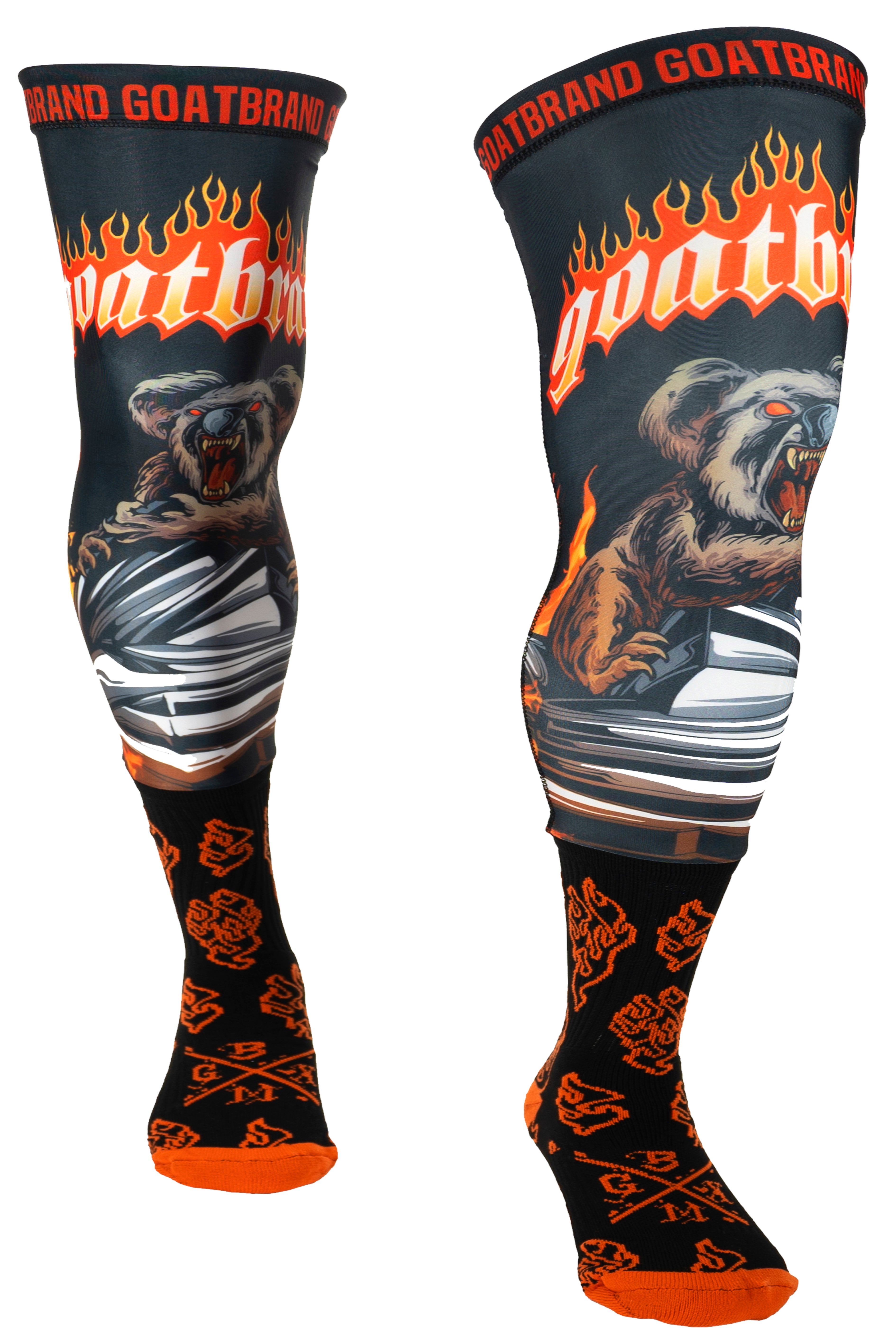
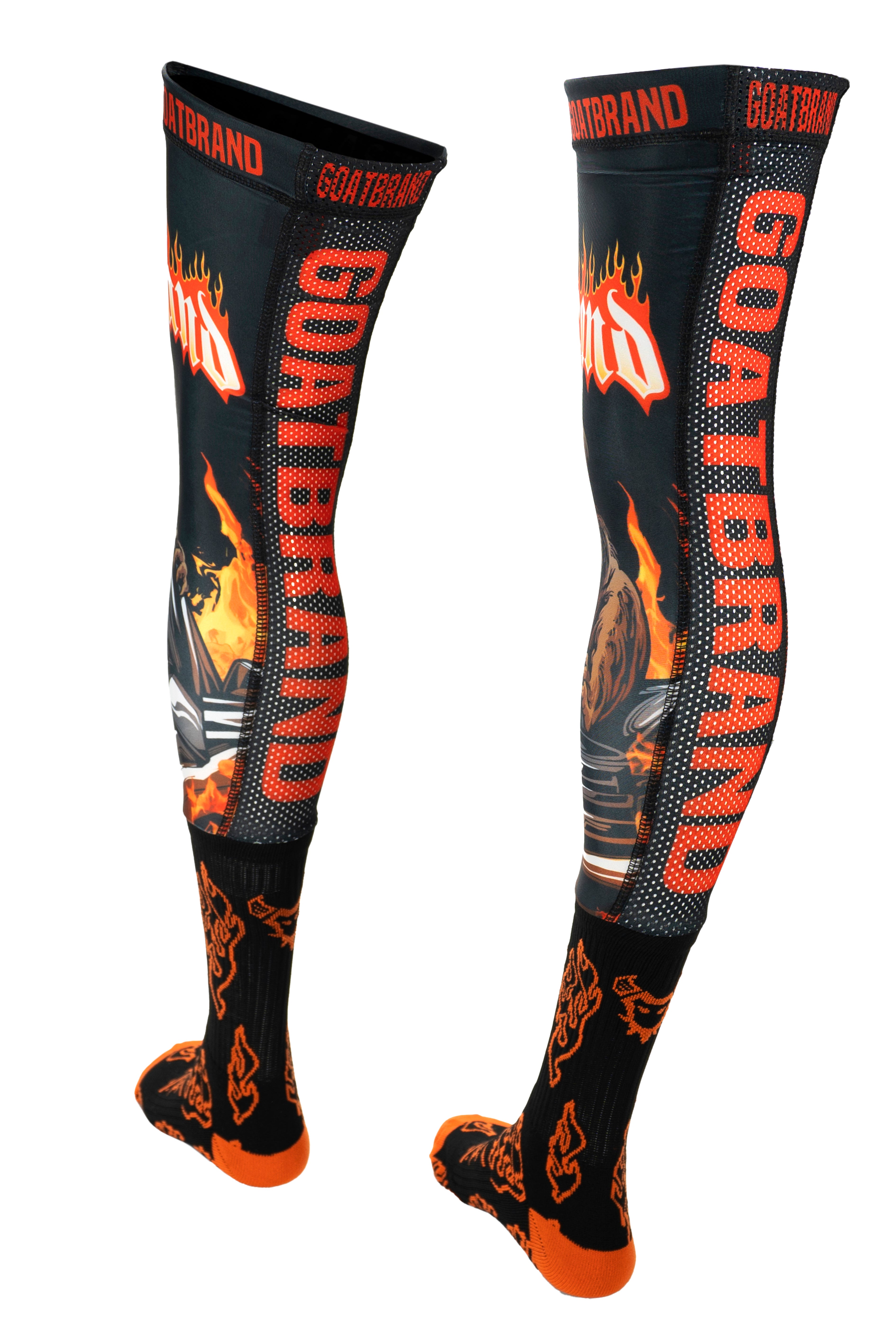
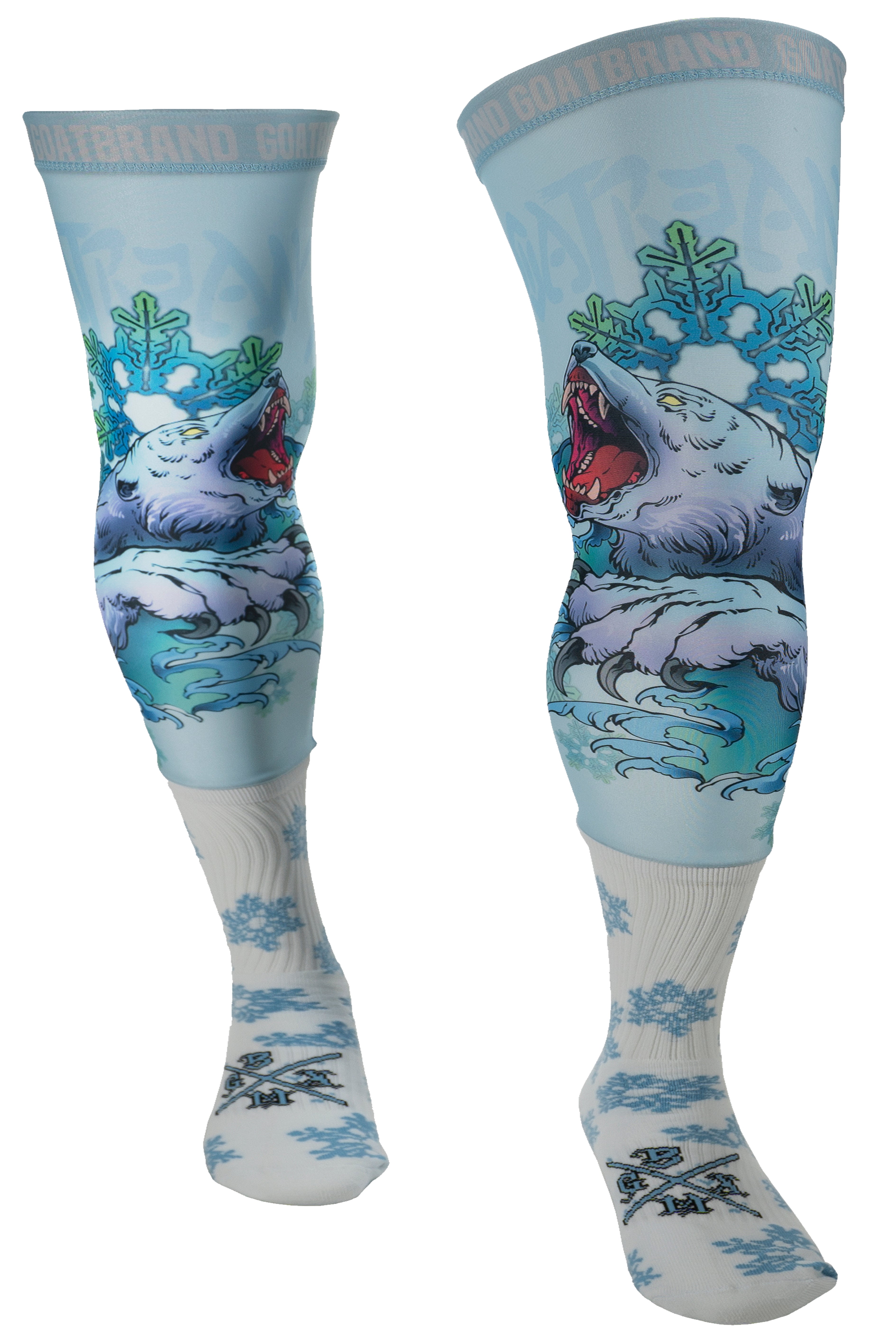
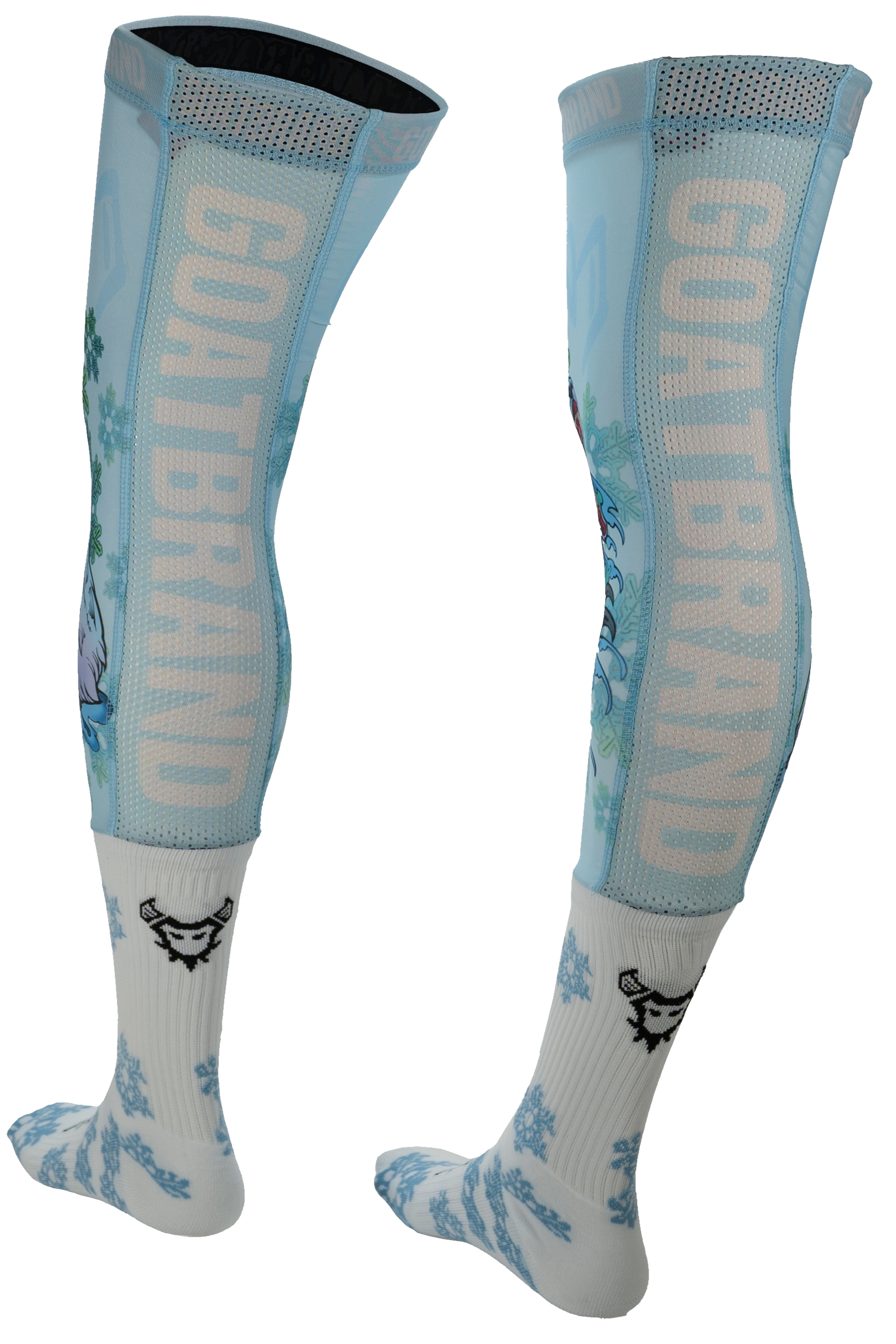
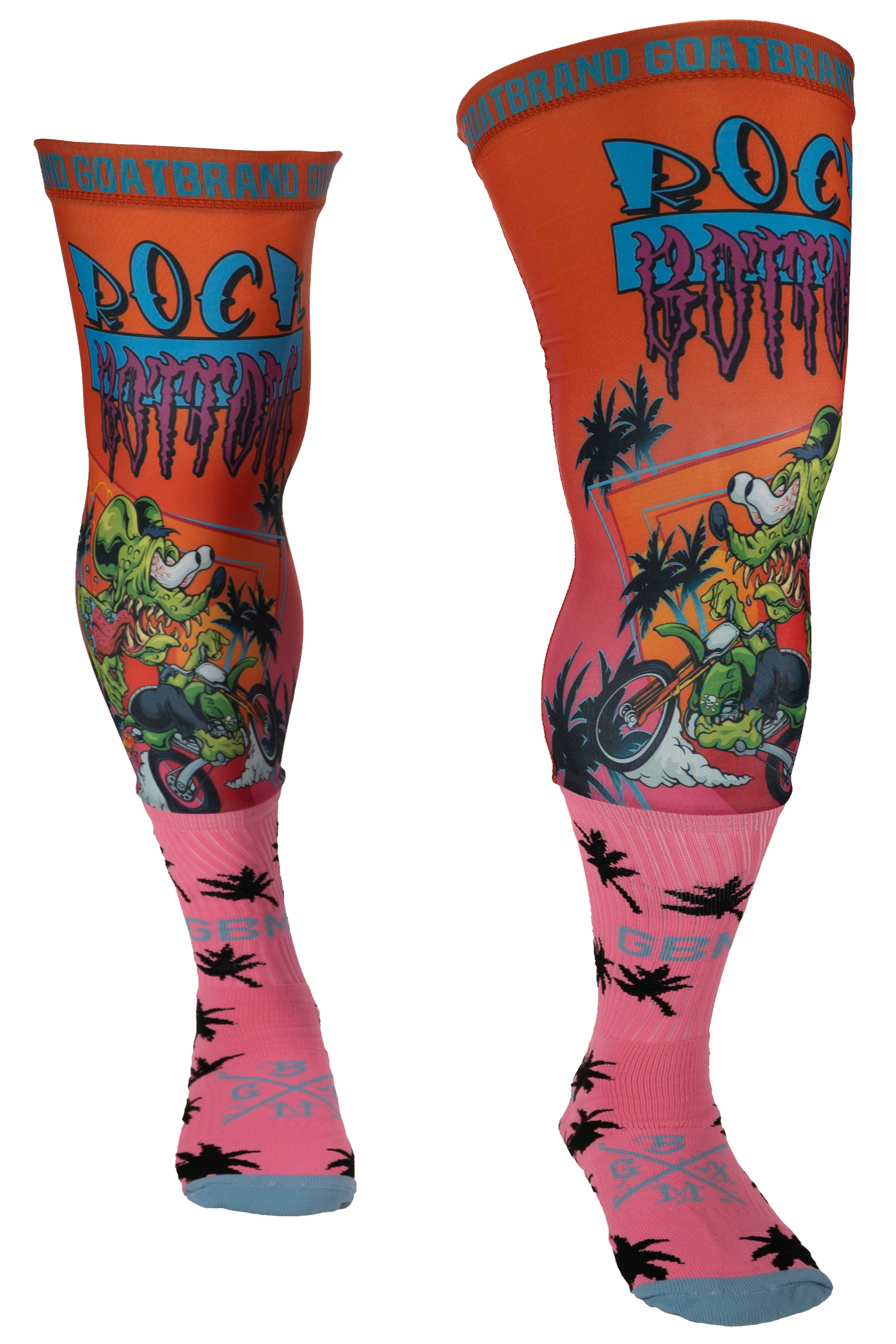
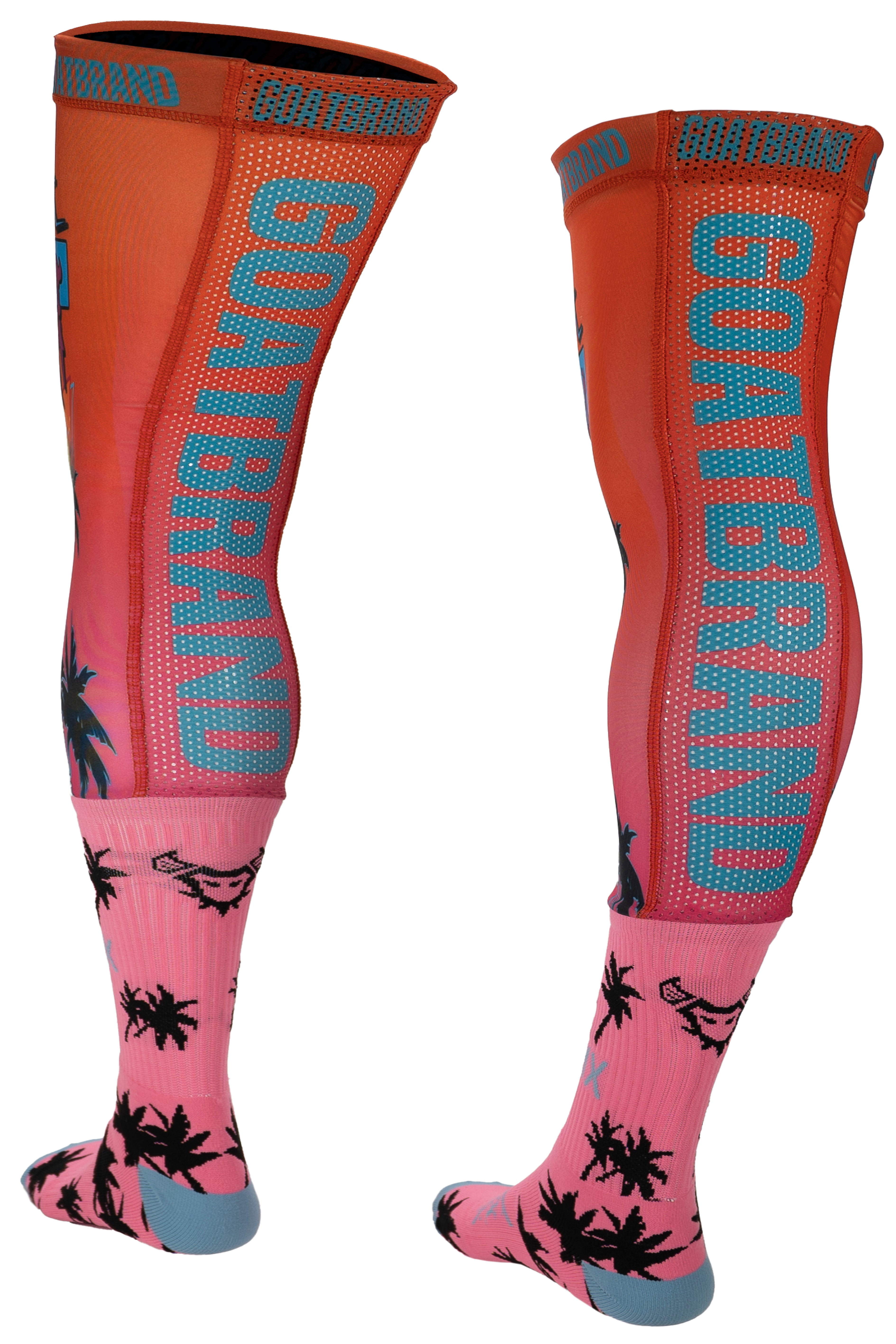
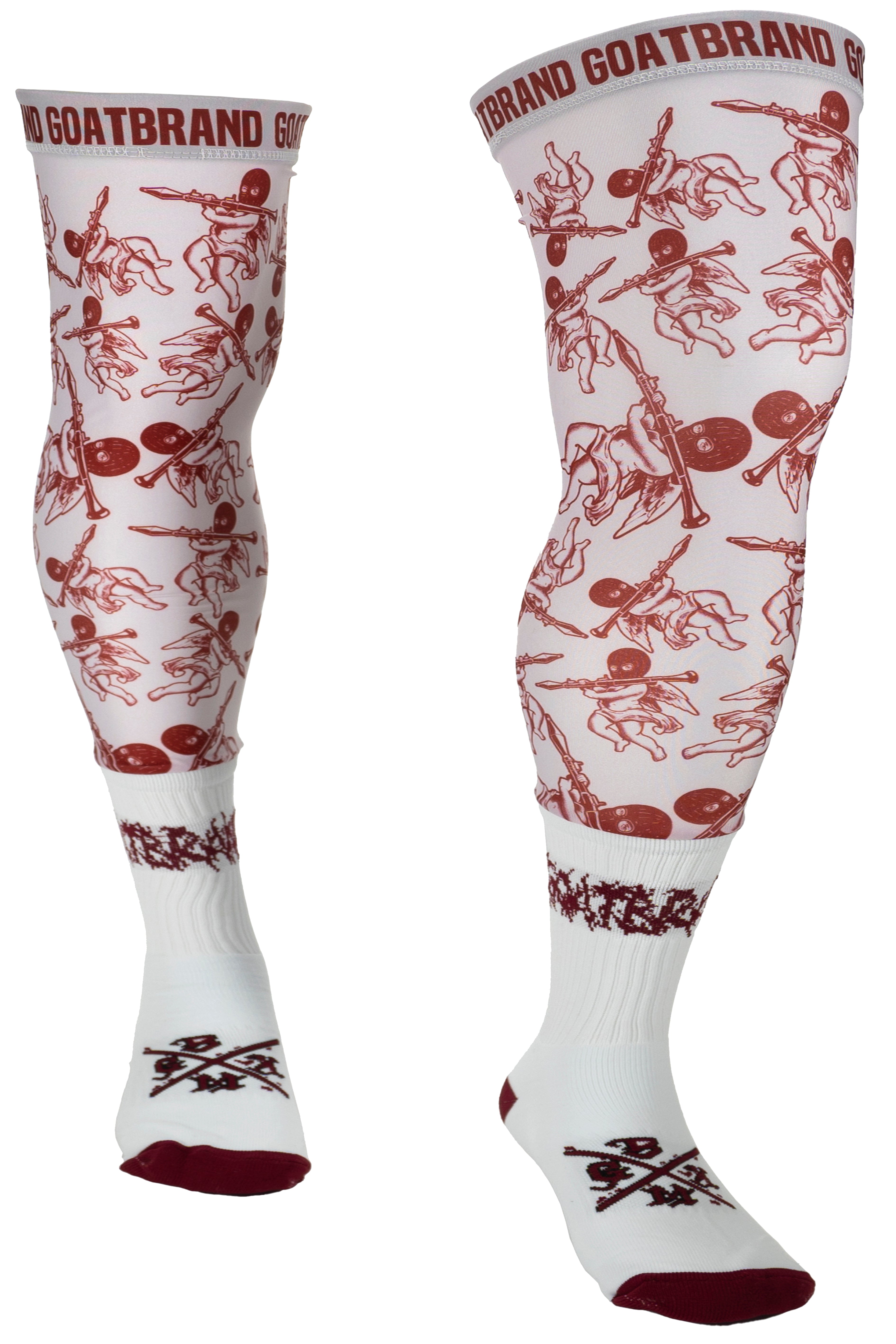
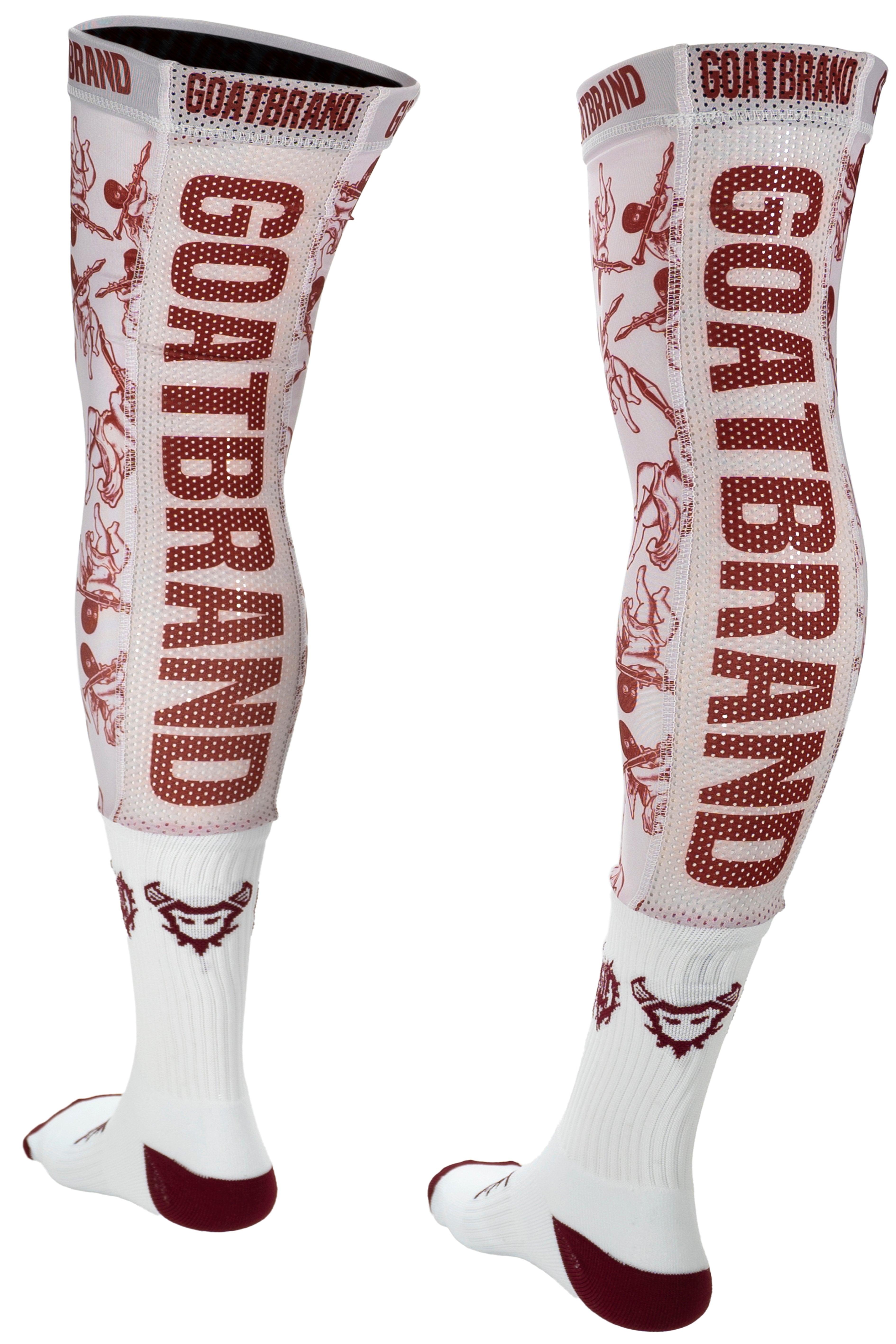
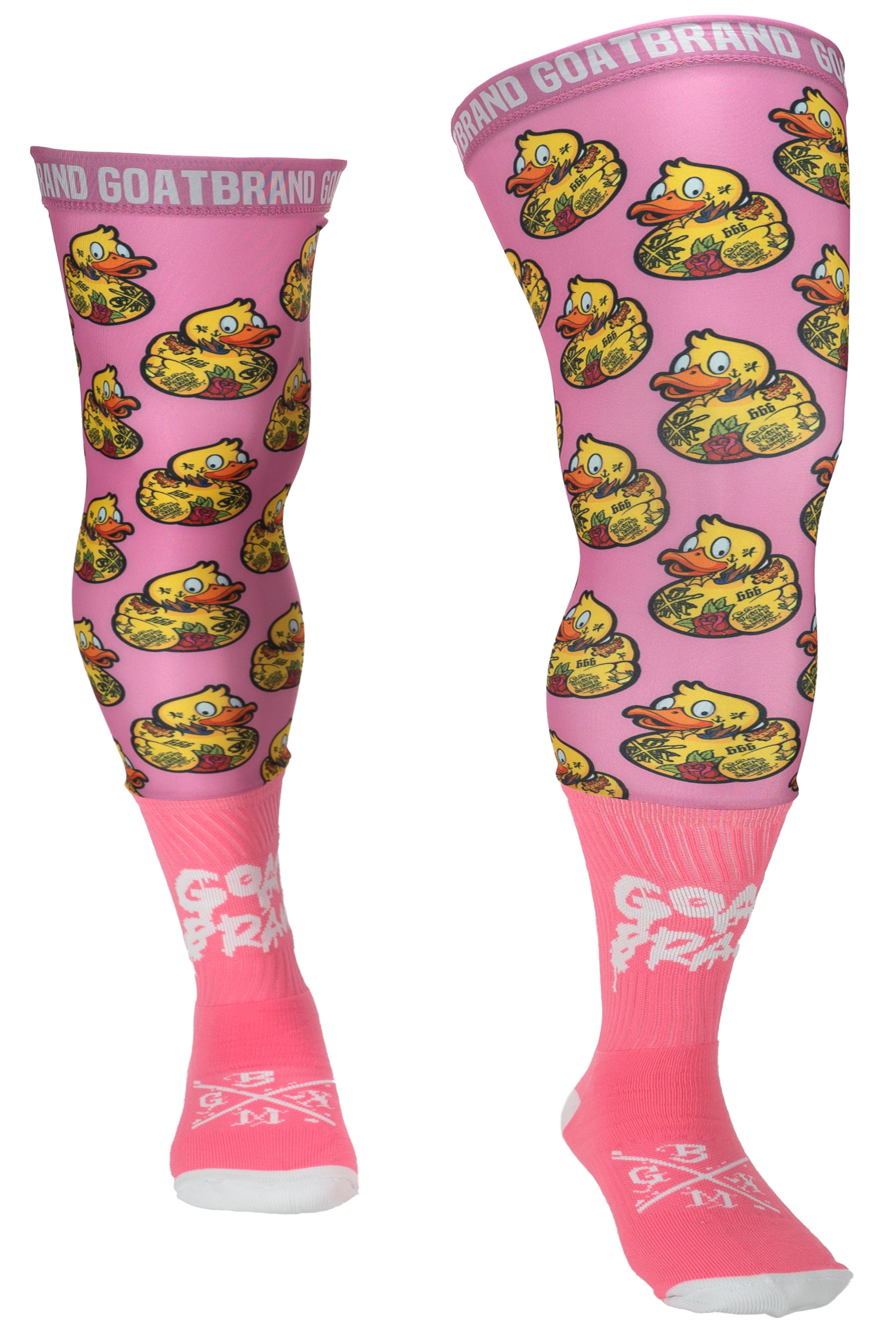
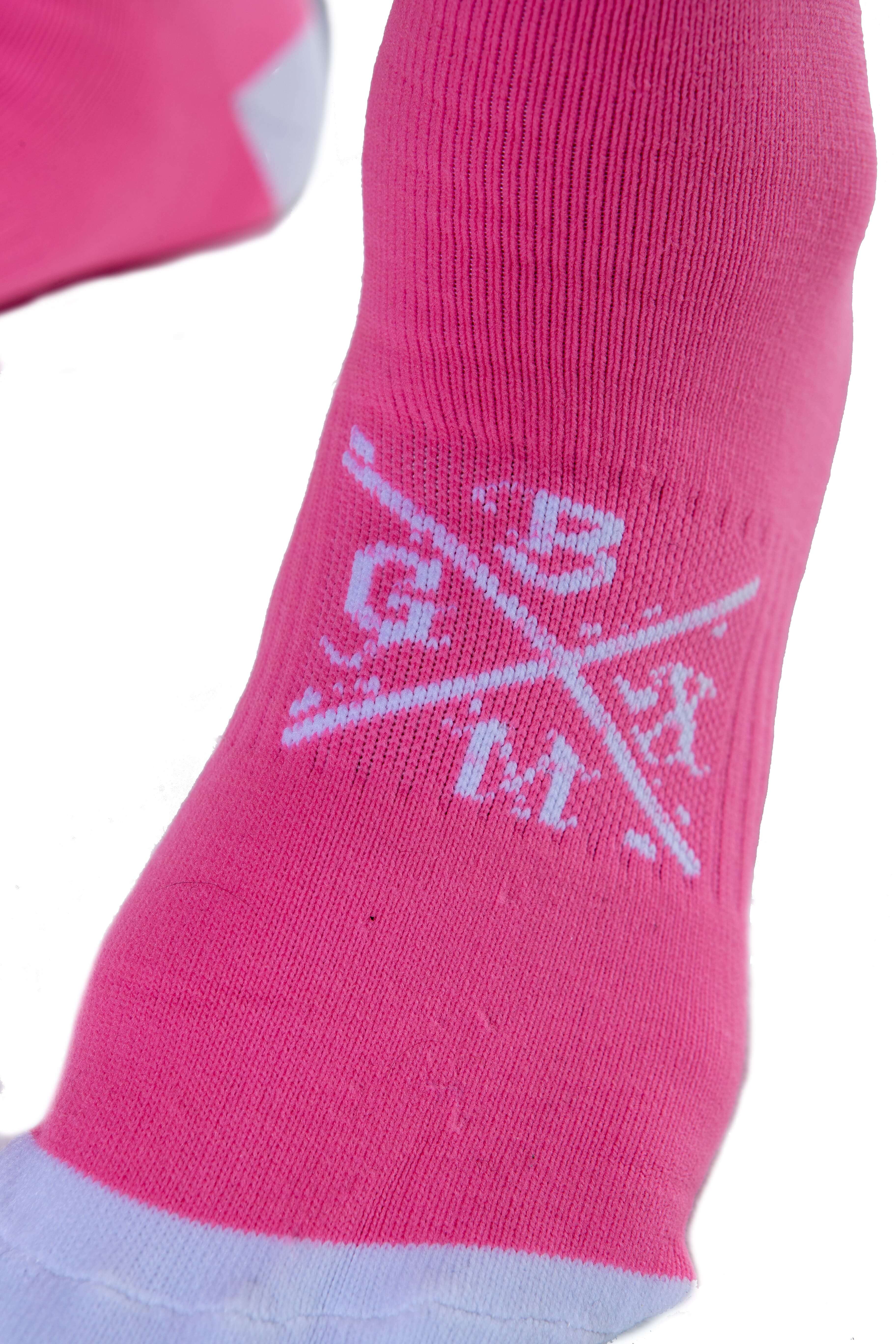
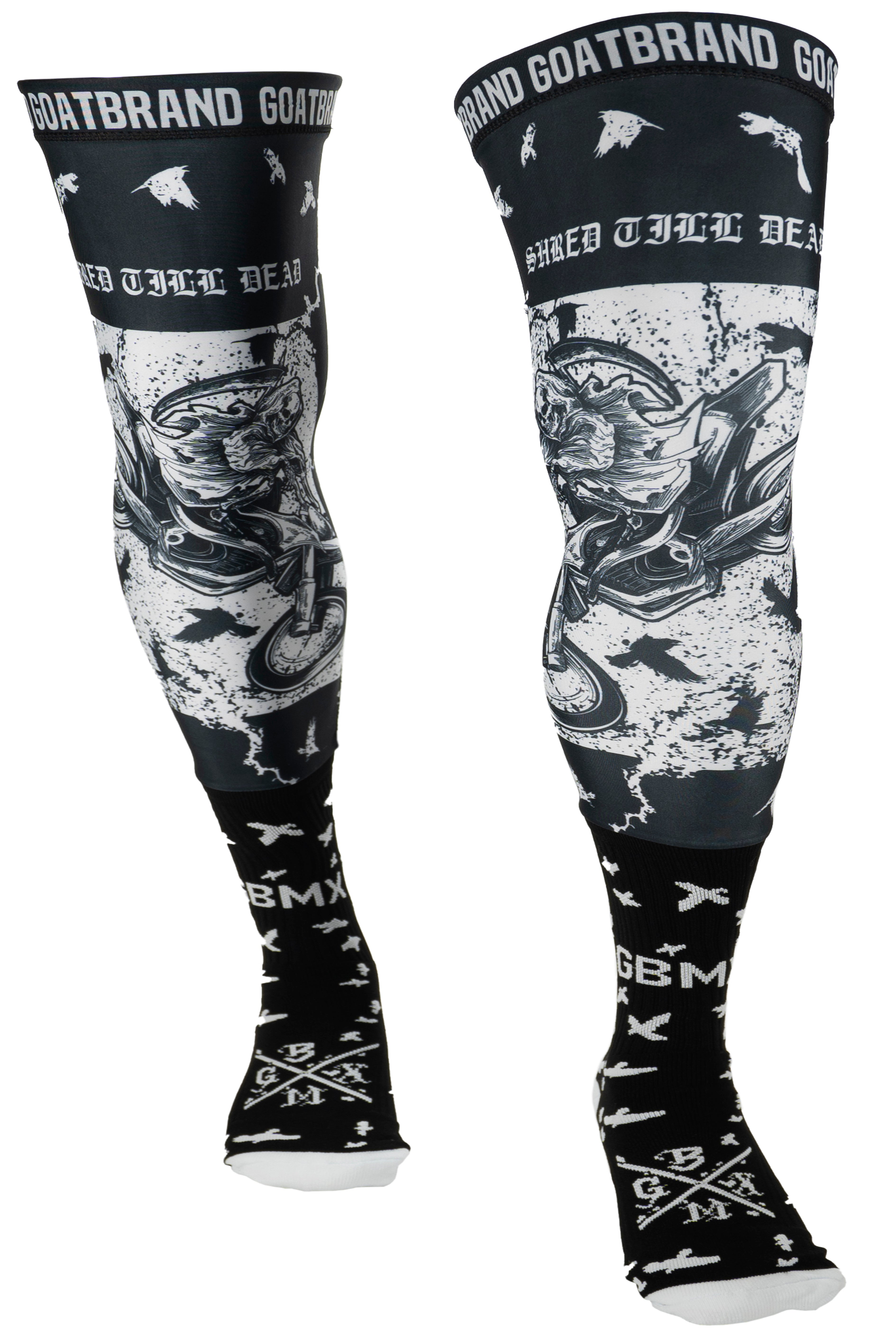
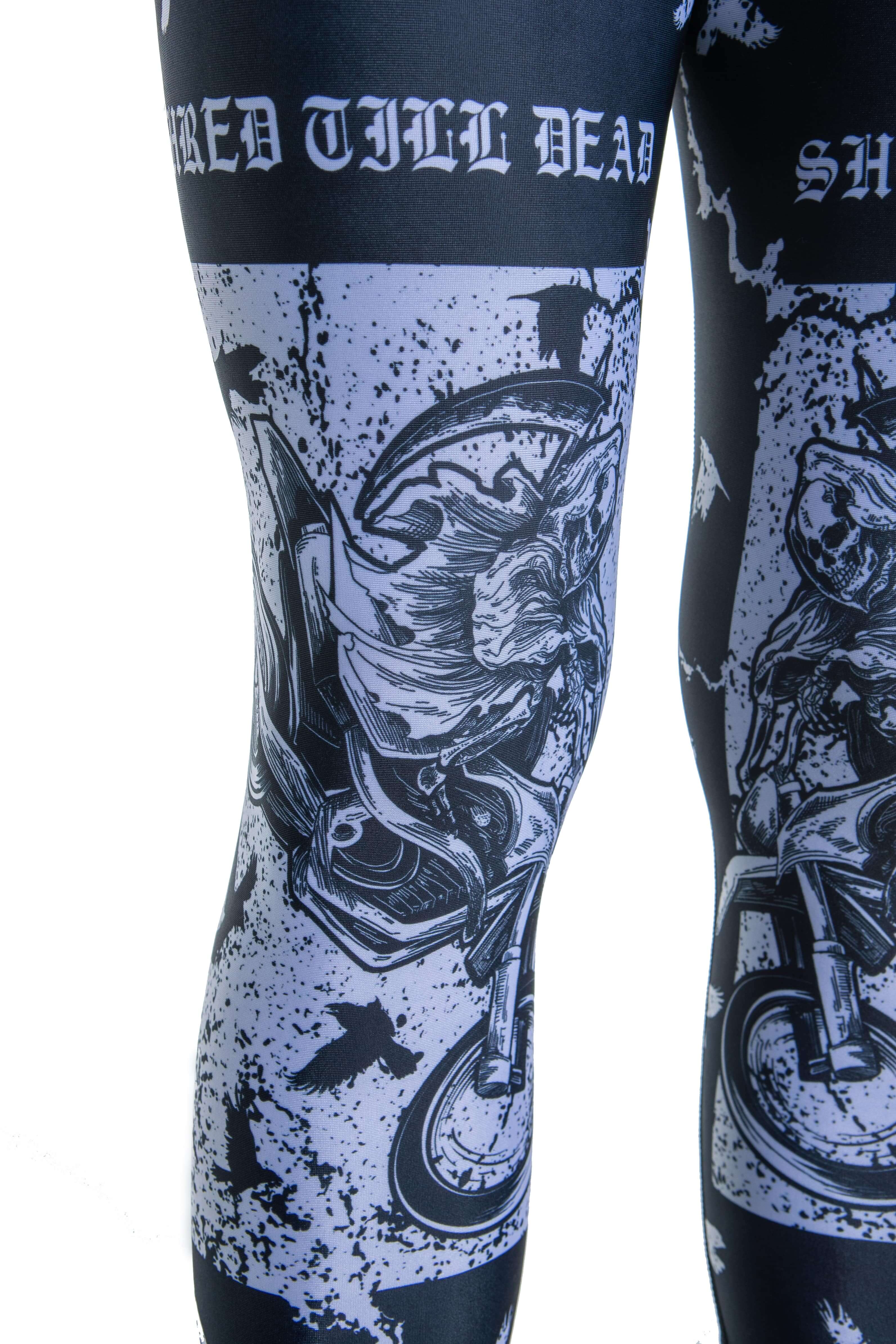
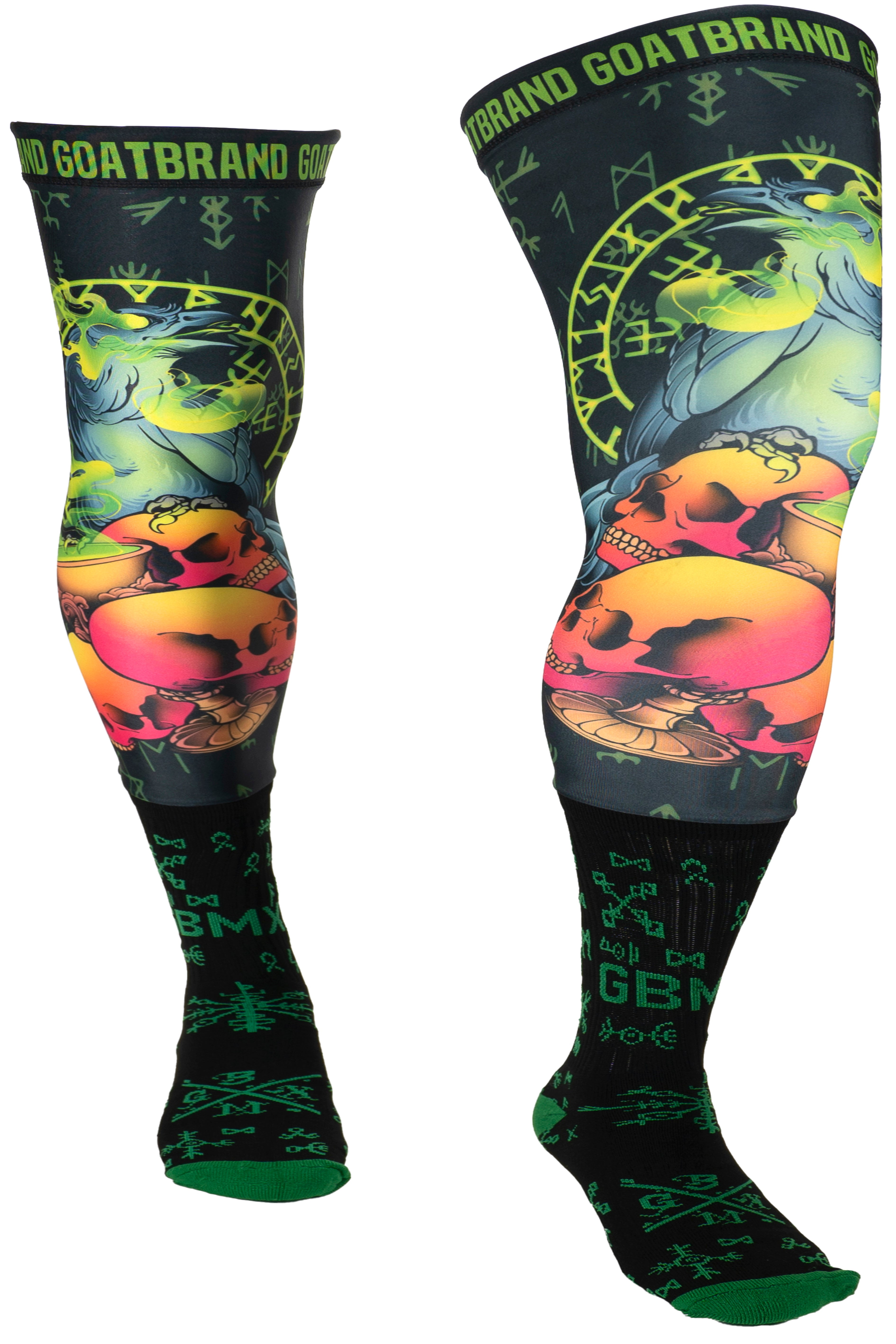
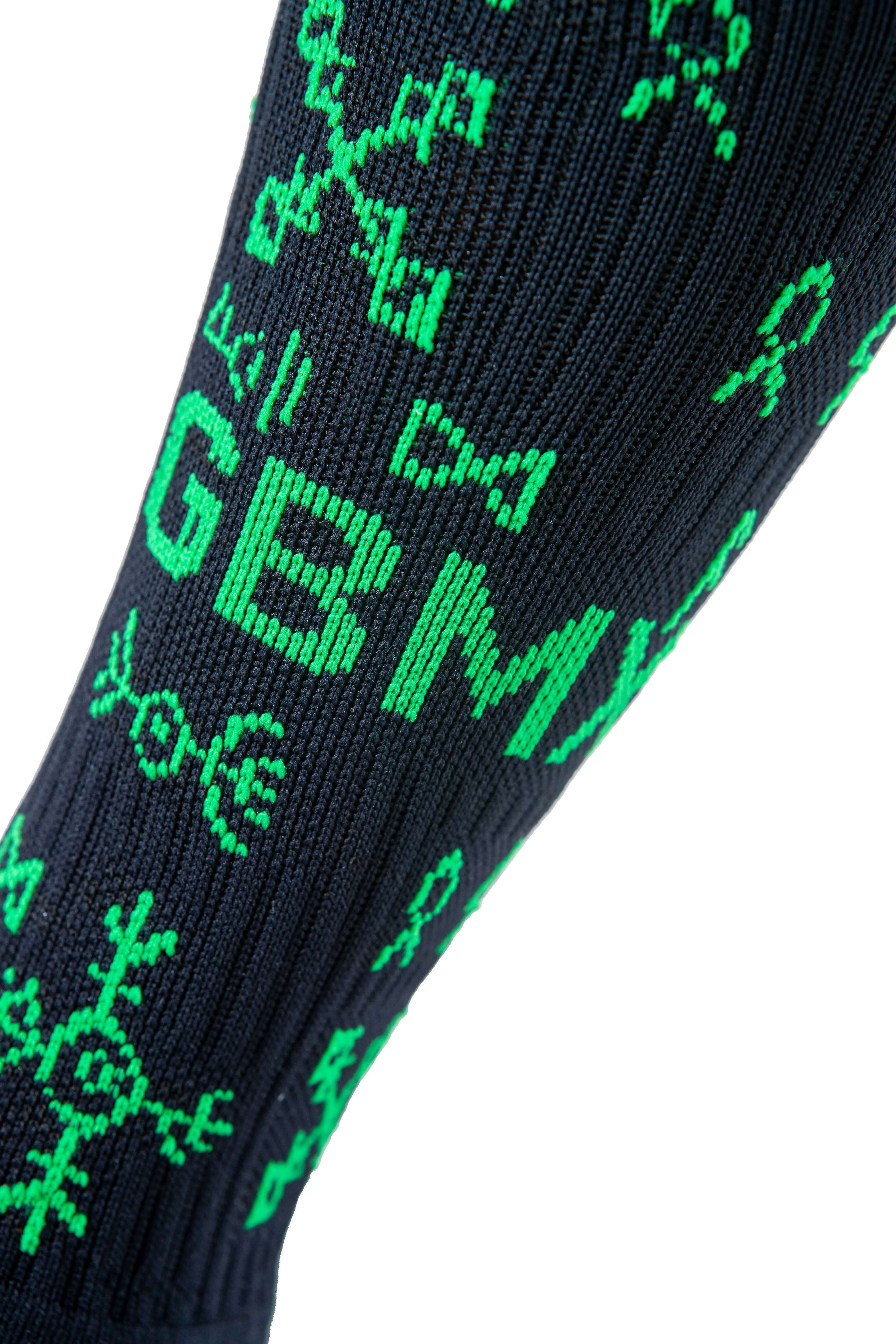
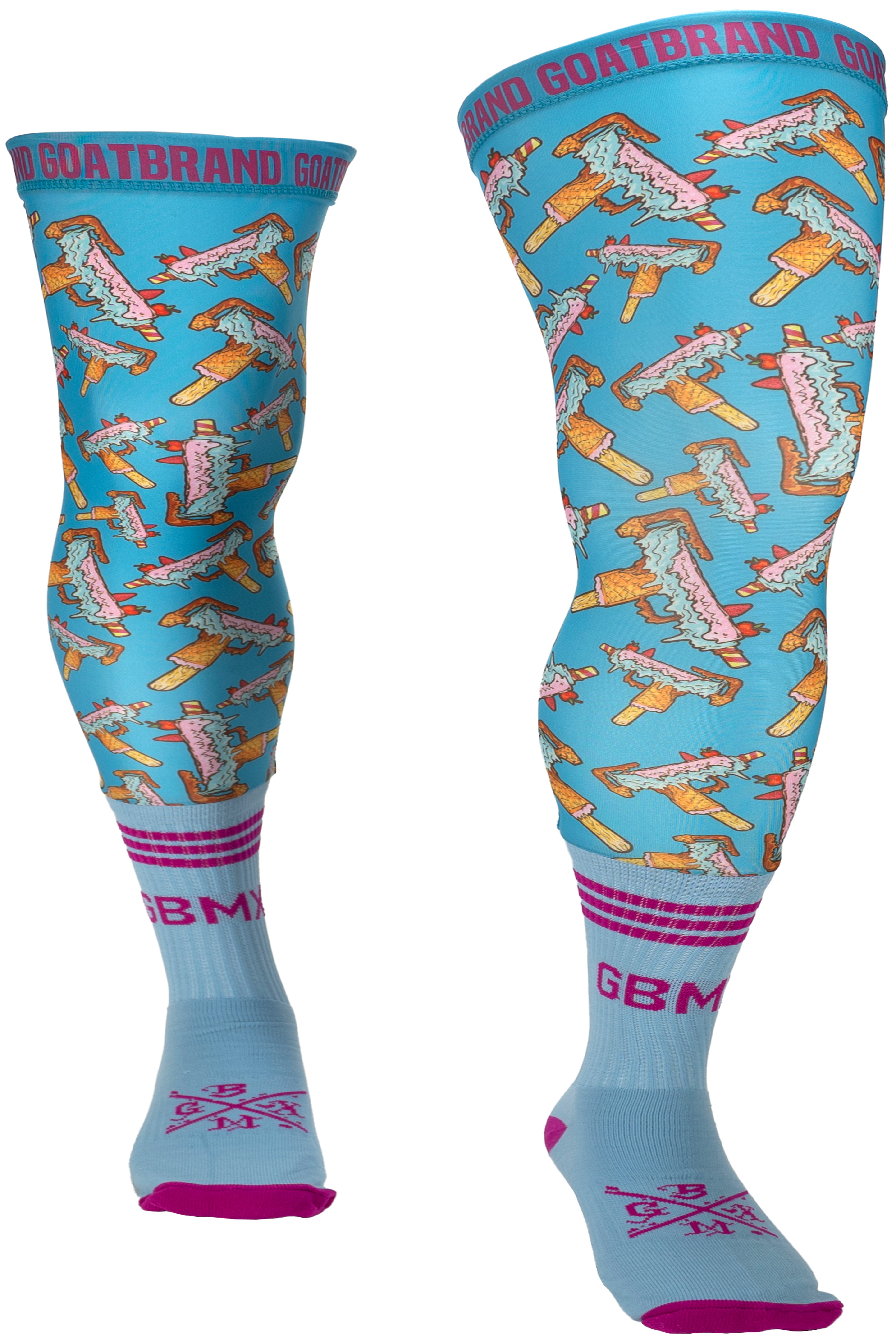
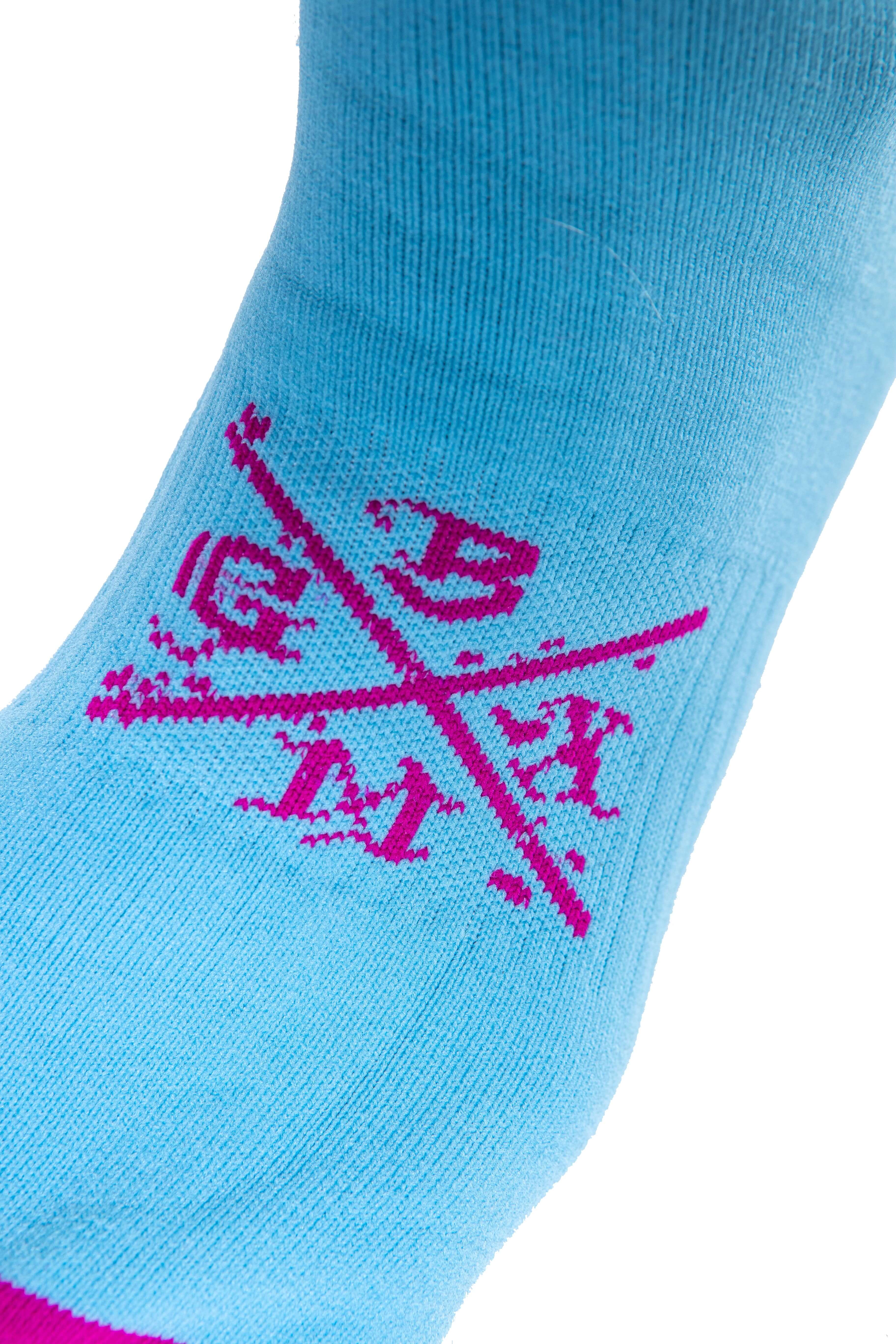
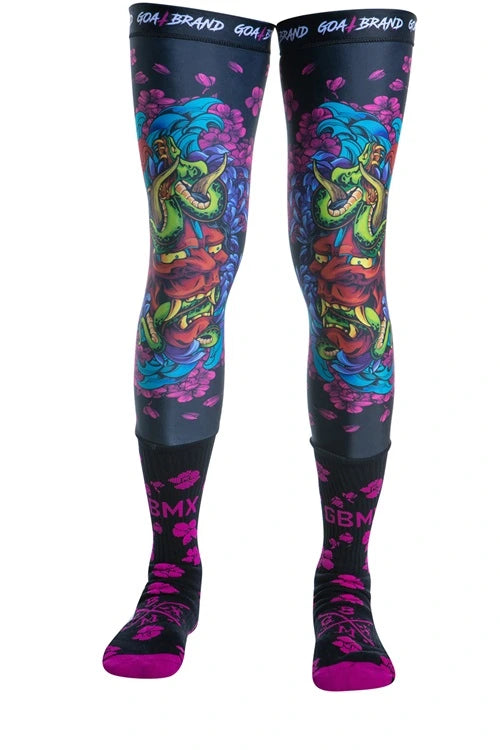
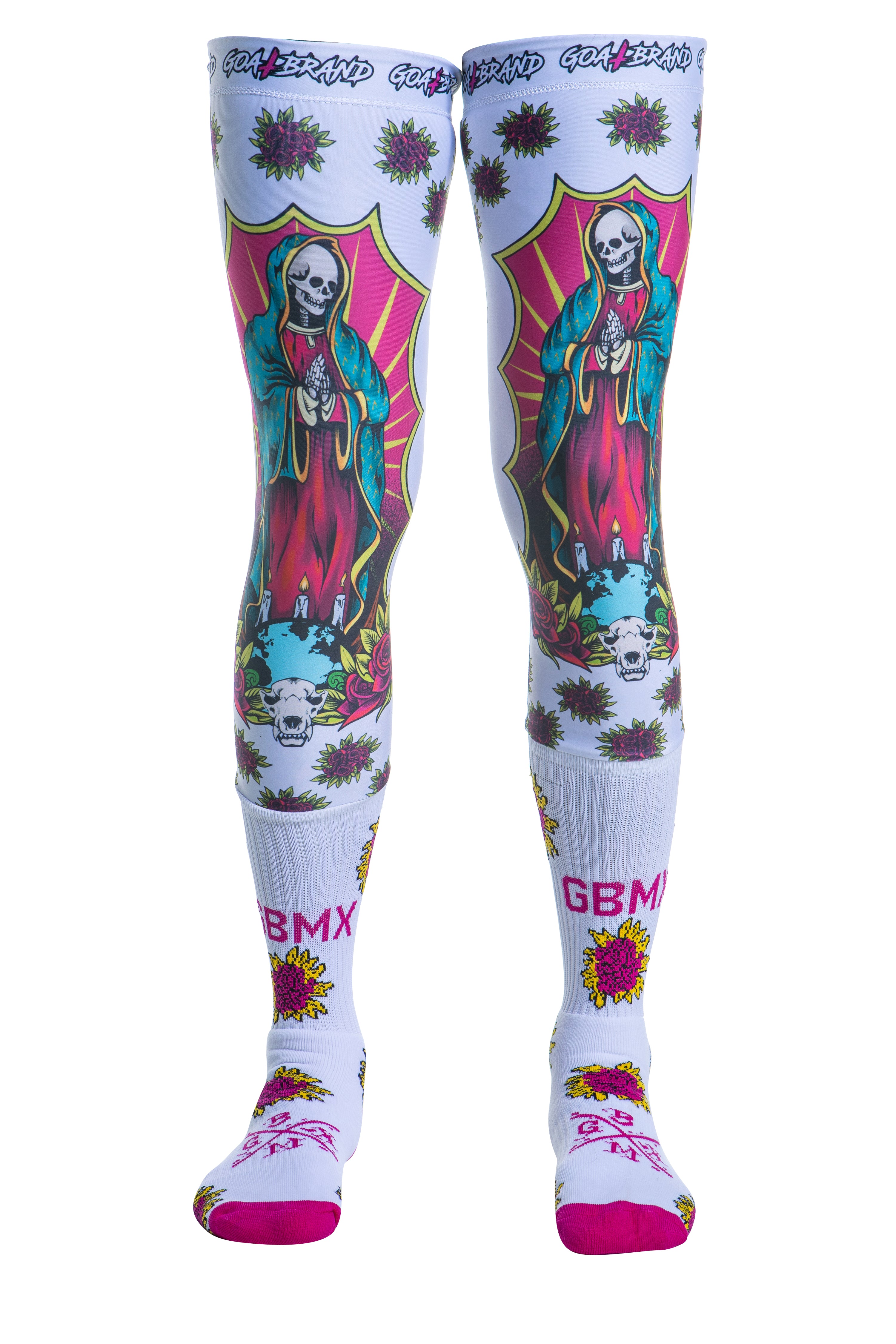
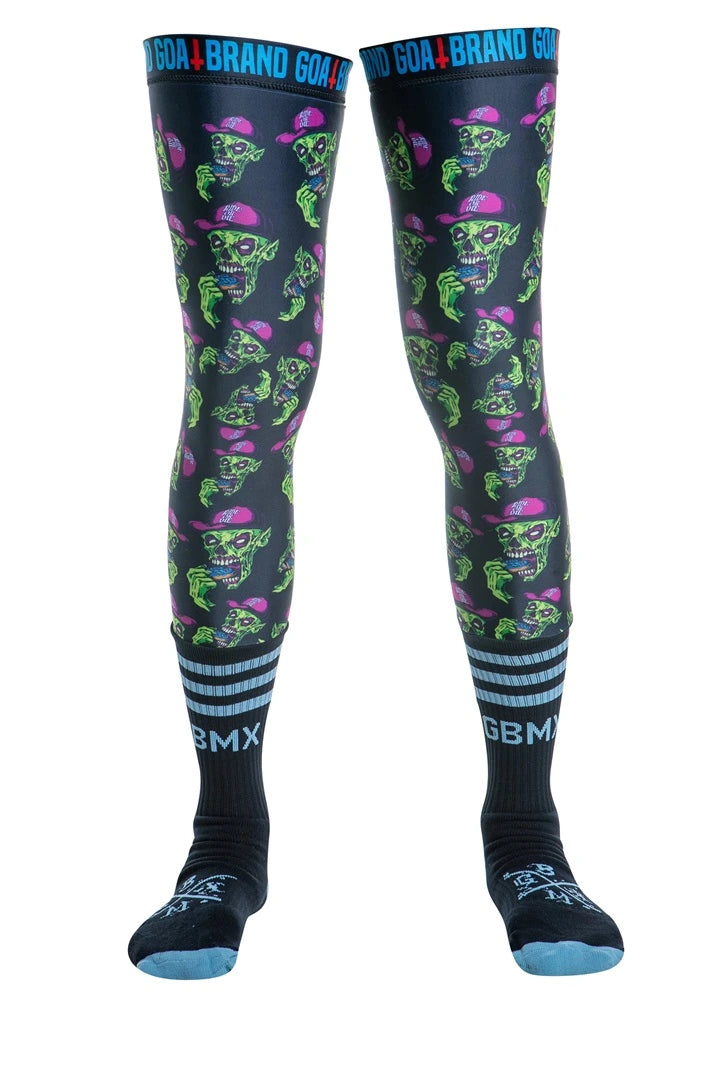
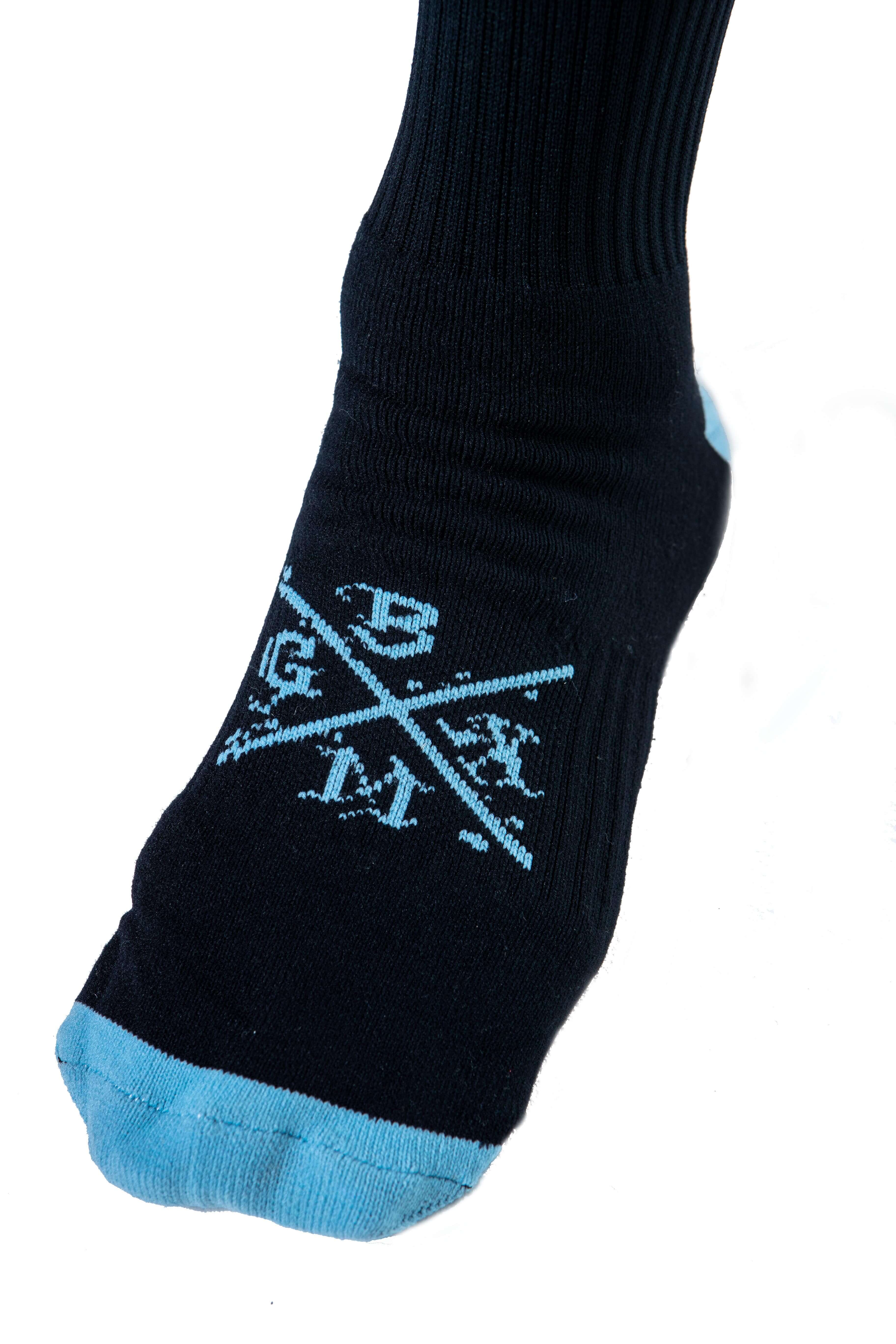
The answer is a proper knee brace sock. It needs to be long enough to finish above the top strap of your brace, so the brace grips the sock and not your skin, and the edge of the sock isn't sitting under a strap. Goatbrand MX socks were built for exactly this. They've got anti-rash compression sleeves to cut down friction from the brace, self-fabric cuffs with a silicone grip so they stay up, ventilated mesh panels, and extra thick bottoms so your foot sits snug in your boot. We break down what to look for in our guide to the best motocross knee brace socks in Australia.
Getting the size right matters too. A sock that's too short stops at your brace strap, and that's where rubbing starts. Use our motocross sock size guide to measure your thigh and leg, and if you're already getting sore spots, here's how to stop knee brace rubbing.
FAQ
Do I really need knee braces for motocross?
It's your call, but a lot of riders won't ride without them because of how common knee injuries are in this sport. If you ride regularly, jump, or race, braces are worth serious thought. If you've had a knee injury, ask a physio.
Do knee braces prevent all knee injuries?
No. No brace can promise that. They're designed to limit the movements that commonly hurt knees, like hyperextension and twisting, and to protect against impacts. Riding within your limits and keeping your legs strong matter too.
Should kids and junior riders wear knee braces?
Many junior riders do, and several brands make youth sizes. Fit is extra important on growing legs, so measure often and get advice from a physio or a good moto shop.
What socks should I wear with knee braces?
A long knee brace sock that finishes above the top strap, with a grippy cuff so it doesn't slide down. It stops the brace rubbing on your skin and helps it stay in place.
How tight should knee brace straps be?
Snug enough that the brace doesn't slide or rotate, but not so tight you lose feeling or circulation. Follow the manufacturer's instructions and recheck after your first ride.
Look after your knees
Your knees have to last you a lifetime of riding, and a lot longer than that off the bike. Get a brace that fits, set it up properly, and wear the right sock underneath so it's comfortable enough that you never think about leaving it at home. When you're ready to sort that last part, check out the full range of Goatbrand MX knee brace socks. Nothing generic. See you at the track.