

Motocross Gear for Beginners: What You Actually Need
So you've got the bike, or you're about to. Now you're standing in the shop or scrolling online, looking at a wall of gear and wondering what you actually need. We've all been there. This is a plain guide to motocross gear for beginners: what to buy first, what can wait, and where it's worth spending a bit more.
No sponsorship talk, no pro-level kit lists. Just what a new rider needs to get out on the track safely and enjoy it.
Nothing generic. Nothing overcomplicated.
The non-negotiables
Some gear is optional when you're starting out. This lot isn't. Don't ride a lap without it.
Helmet
This is the one place not to save money. Get a proper motocross helmet that meets the standard your club or event requires. Most clubs run under Motorcycling Australia or a state body, and they'll tell you what's approved. If you're not sure, ask before you buy.
Fit matters as much as the price tag. It should be snug all the way around, with no pressure points, and it shouldn't move when you shake your head. Try a few on in person if you can. And if a helmet has taken a decent hit, replace it, even if it looks fine.
Boots
Motocross boots are stiff, tall and heavy for a reason. They protect your feet, ankles and shins from the bike, the ground and anything that gets flicked up. Work boots or hiking boots don't come close.
New boots feel like ski boots at first. That's normal. Wear them around the house or the shed for a bit before your first ride so they start to soften up. It helps a lot with comfort and blisters.
Goggles
Roost, dust and the odd bug will find your eyes. Sunnies won't stay put and won't seal. Get a pair of MX goggles that fit your helmet and seal around your face. A spare lens or a second pair in the bag is handy for dusty days.
Gloves
Gloves help with grip, blisters on your hands and taking some skin off the ground if you go down. Plenty of beginner gloves are fine. Just make sure they fit well and don't bunch up in your palm.
Body protection
This is where people starting out often skip things. Don't. You're more likely to crash while you're learning, not less.
Chest protector or roost guard
A chest protector covers your chest and back from roost, bars and falls. Some riders wear a neck brace with it, and some chest protectors are built to work with one. Either way, it's a good early buy.
Knee braces or knee guards
Knees cop a lot in motocross. Some beginners start with soft knee guards, others go straight to knee braces. Braces cost more but offer more support. If you want to know how they work and what to look for, have a read of the anatomy of a knee brace and how motocross knee braces prevent injuries.
Whatever you choose, it needs to fit properly. A guard or brace that slides around isn't doing its job.
Other bits worth thinking about
- Elbow guards: cheap and easy to wear.
- Hip or padded shorts: handy once you're riding more often.
- Neck brace: plenty of riders wear one. Do your own research and decide what's right for you.
Jersey and pants
MX pants and jerseys are built to cope with heat, abrasion and the way you move on the bike. Pants have leather or tough panels on the inside of the knee where they rub on the bike, and they're cut to fit over knee braces and into boots.
You don't need a fancy matching set to start. A decent pair of pants that fits over your guards, and a jersey that isn't too tight over your chest protector, will do the job. Plenty of riders pick up second-hand pants and jerseys when they're starting out, which is fine. Helmets are the exception. Don't buy a second-hand helmet.
Socks: the bit everyone forgets
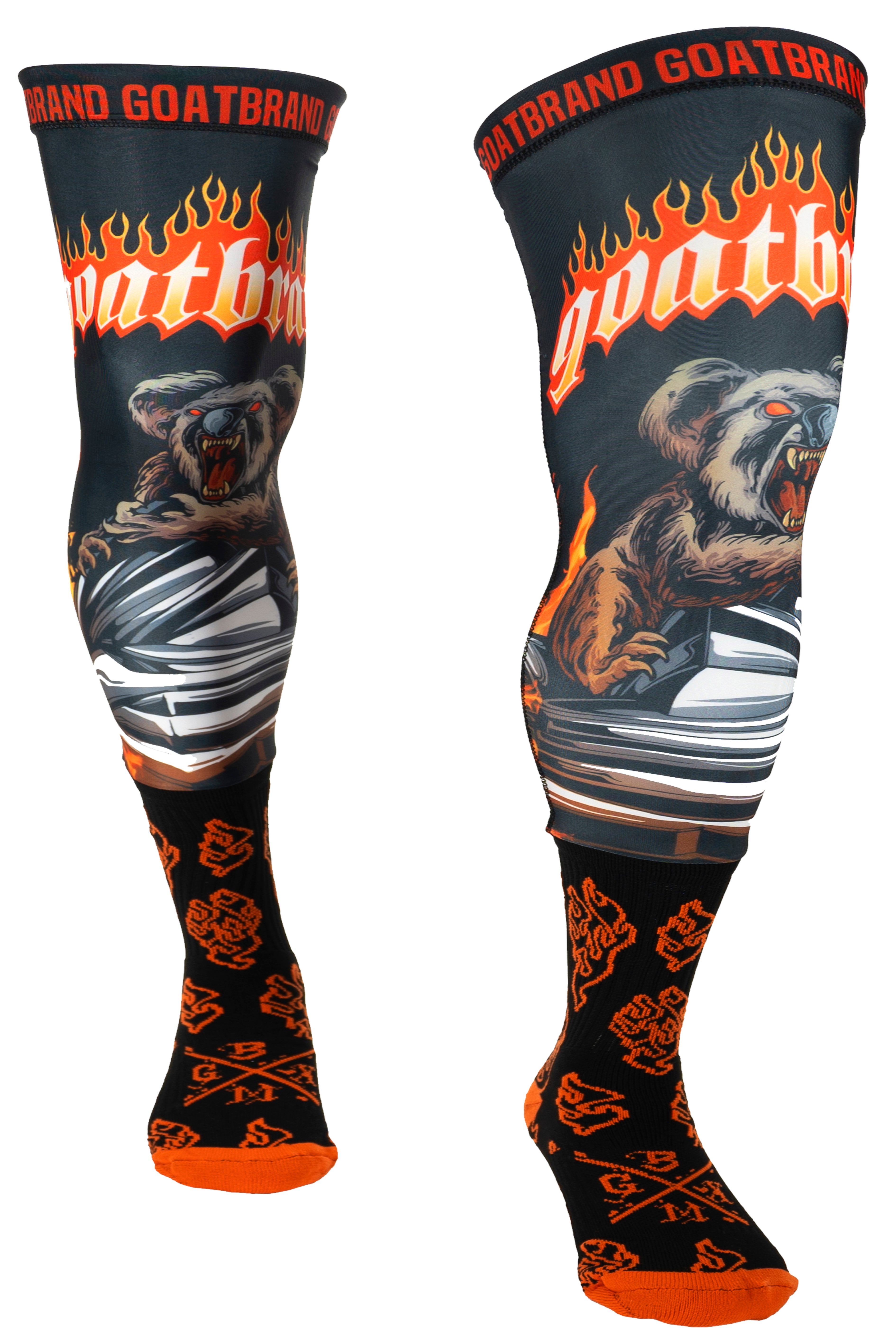
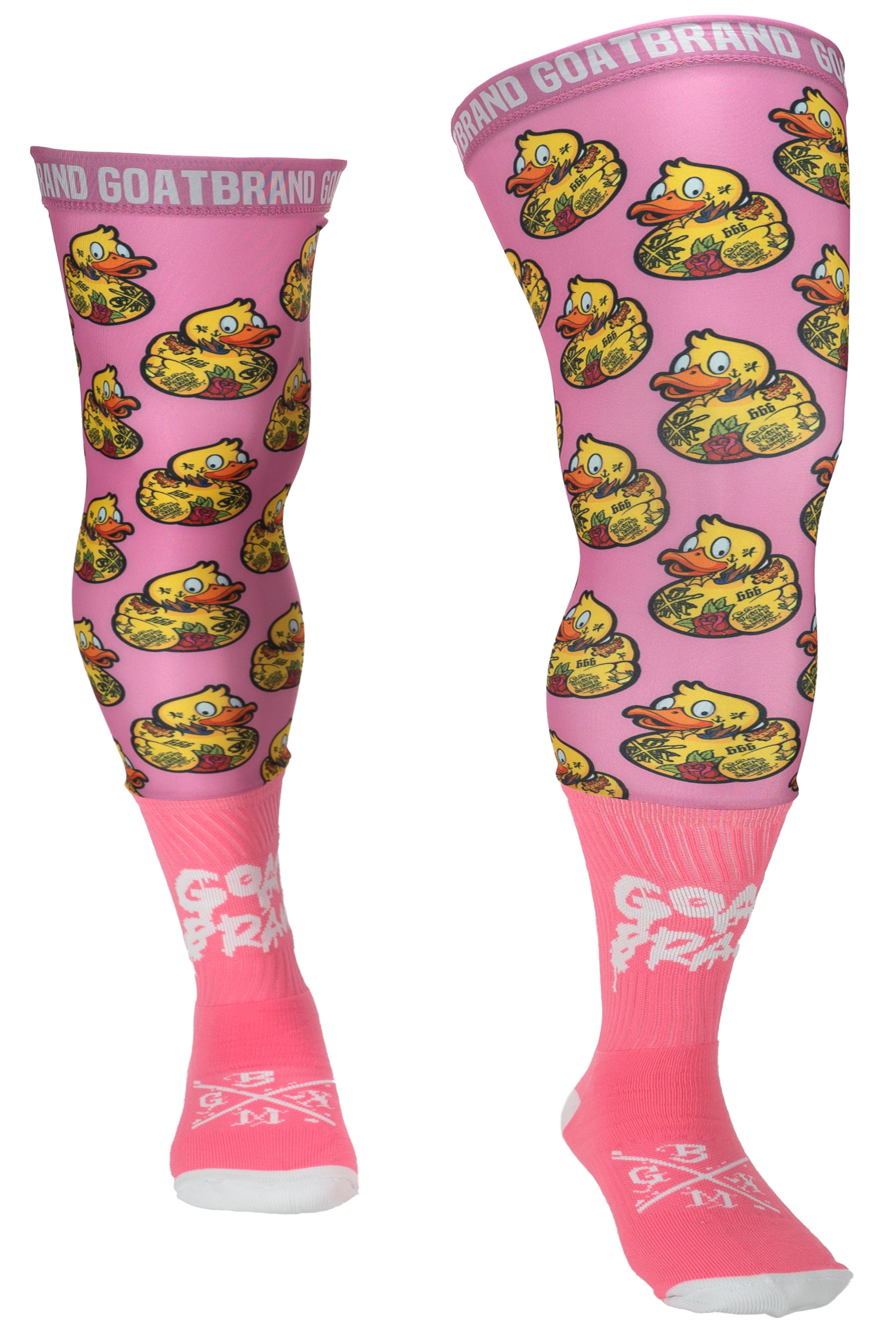
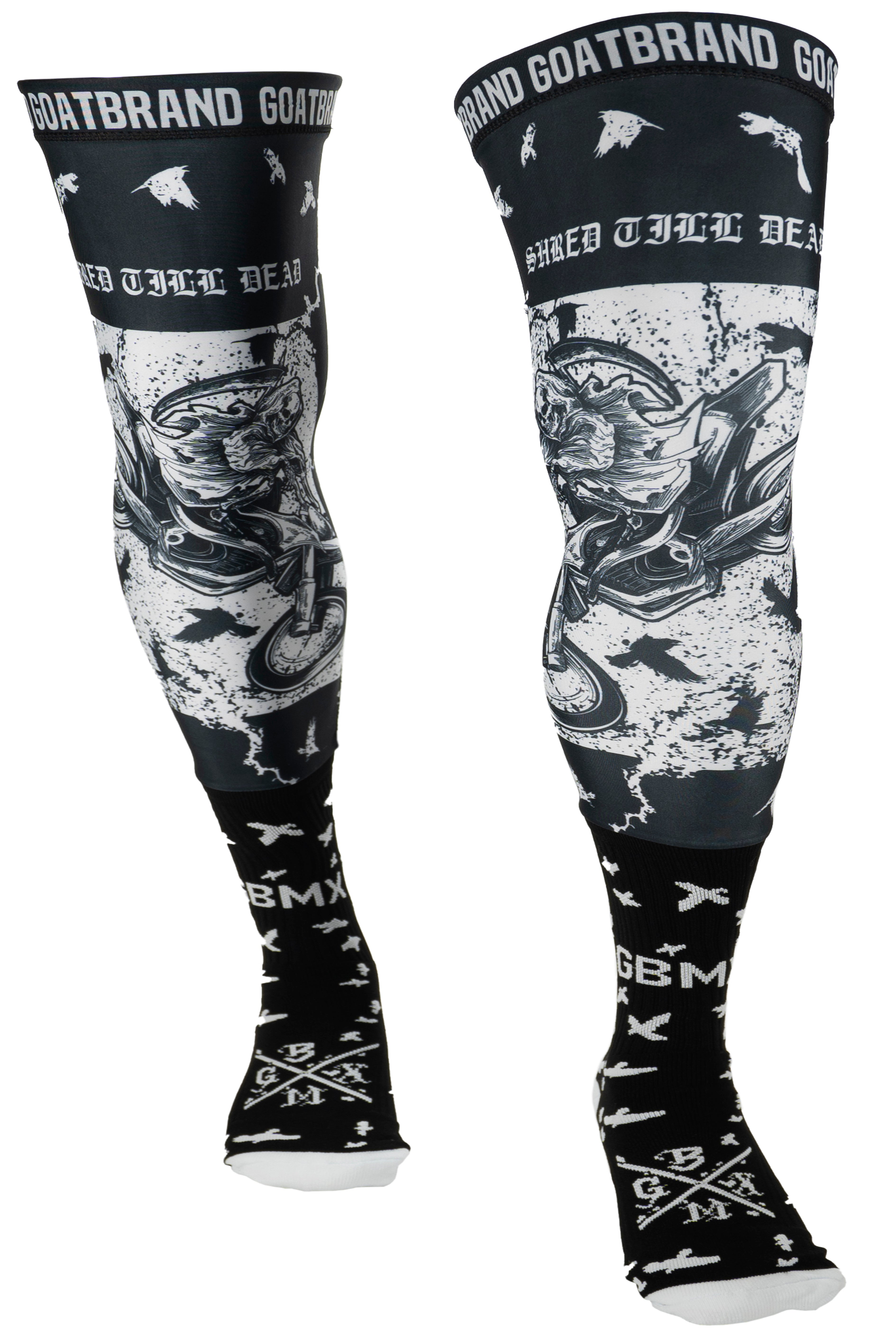
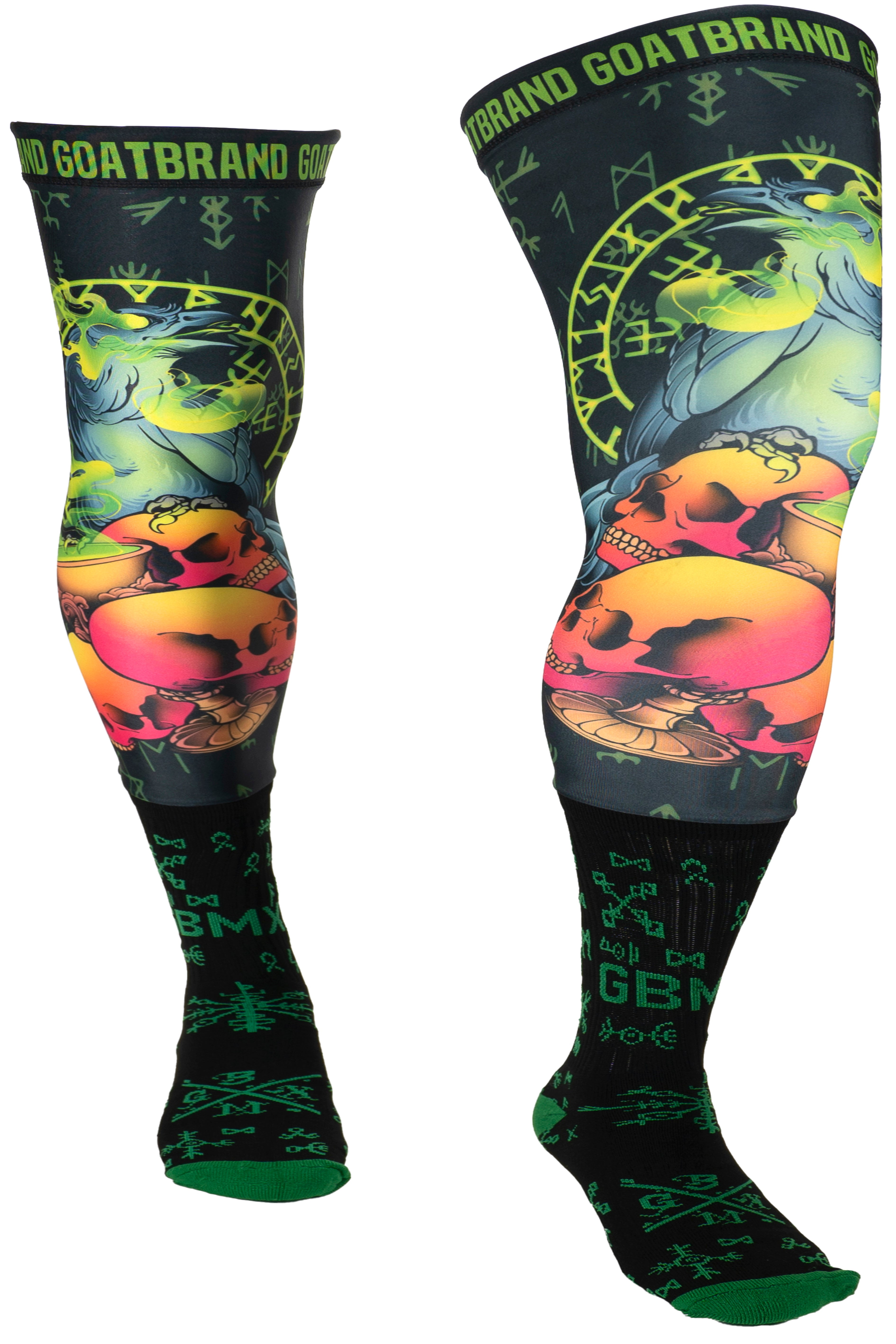
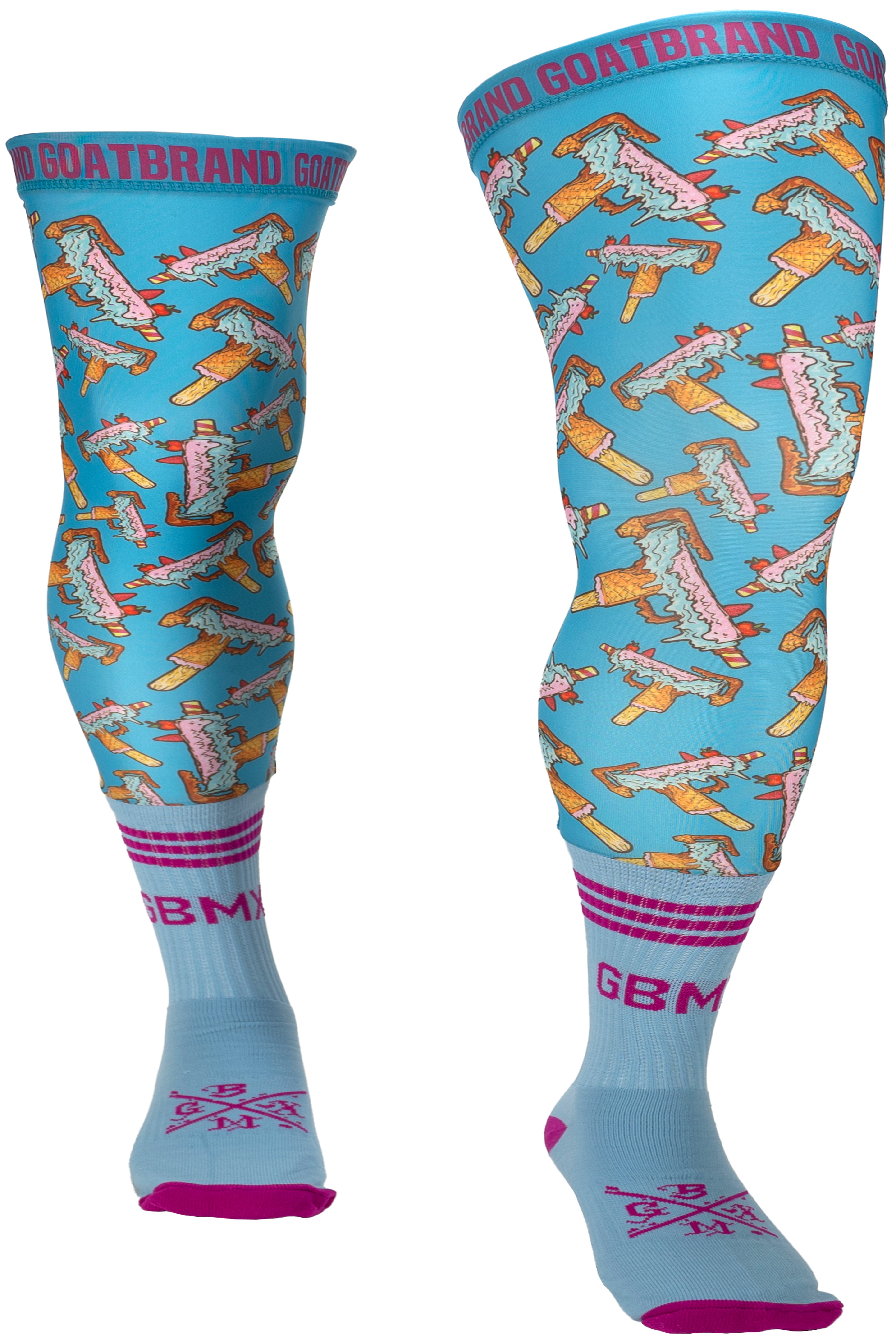
Most beginners think about socks last, if they think about them at all. Then they pull on a pair of footy socks under new boots and knee braces, and spend the day dealing with socks sliding down, fabric bunching under the brace, and rubbing on their shins and feet.
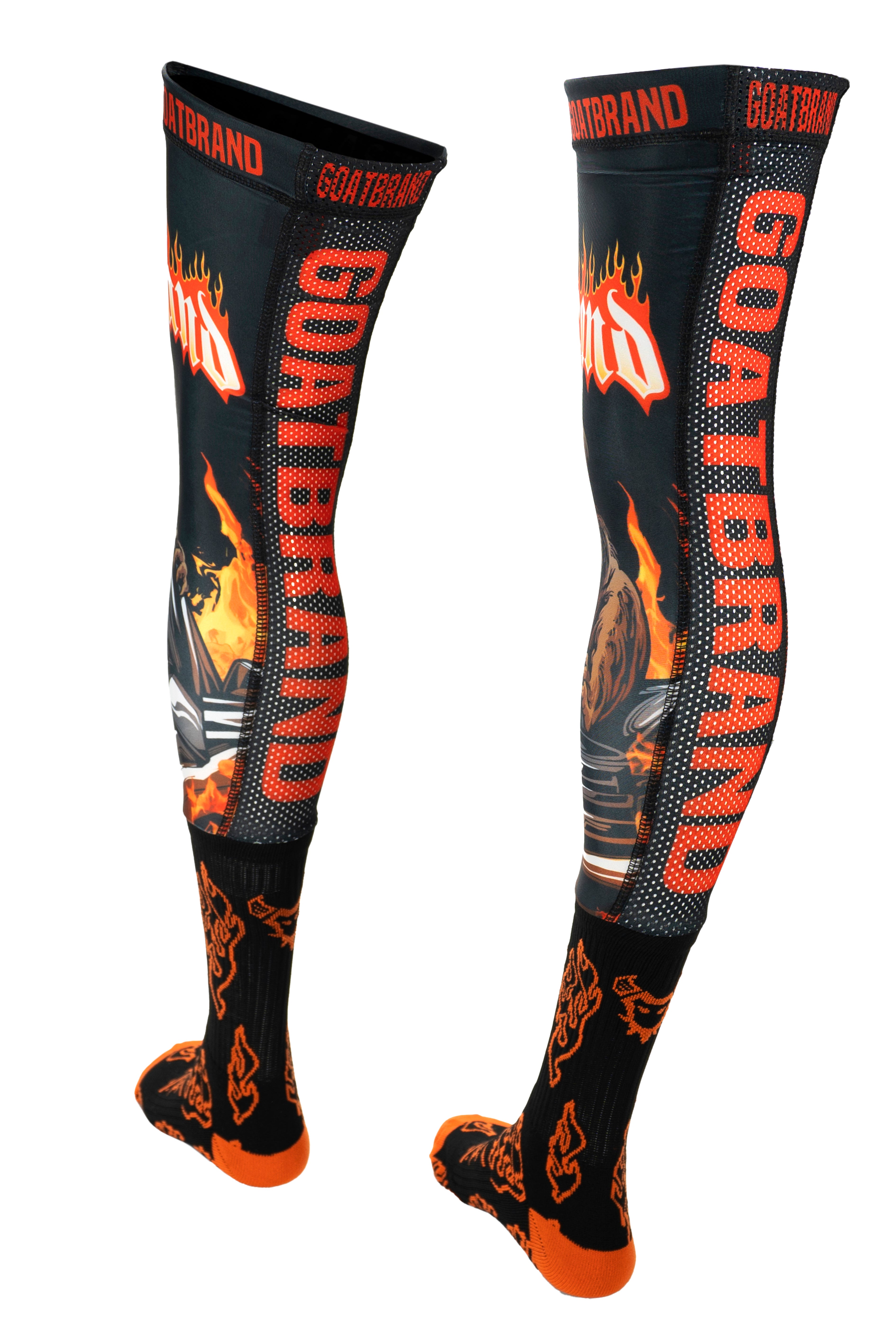
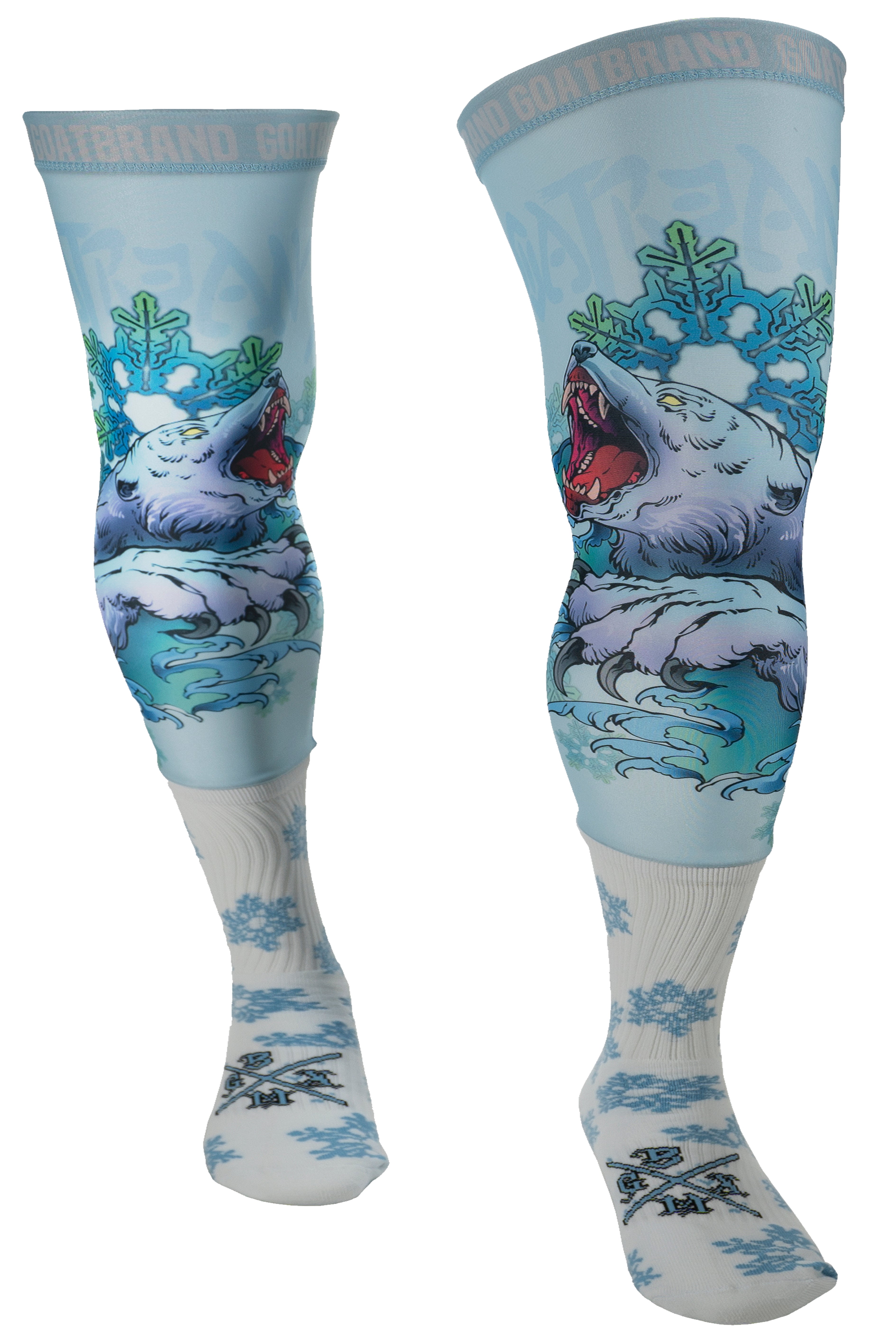
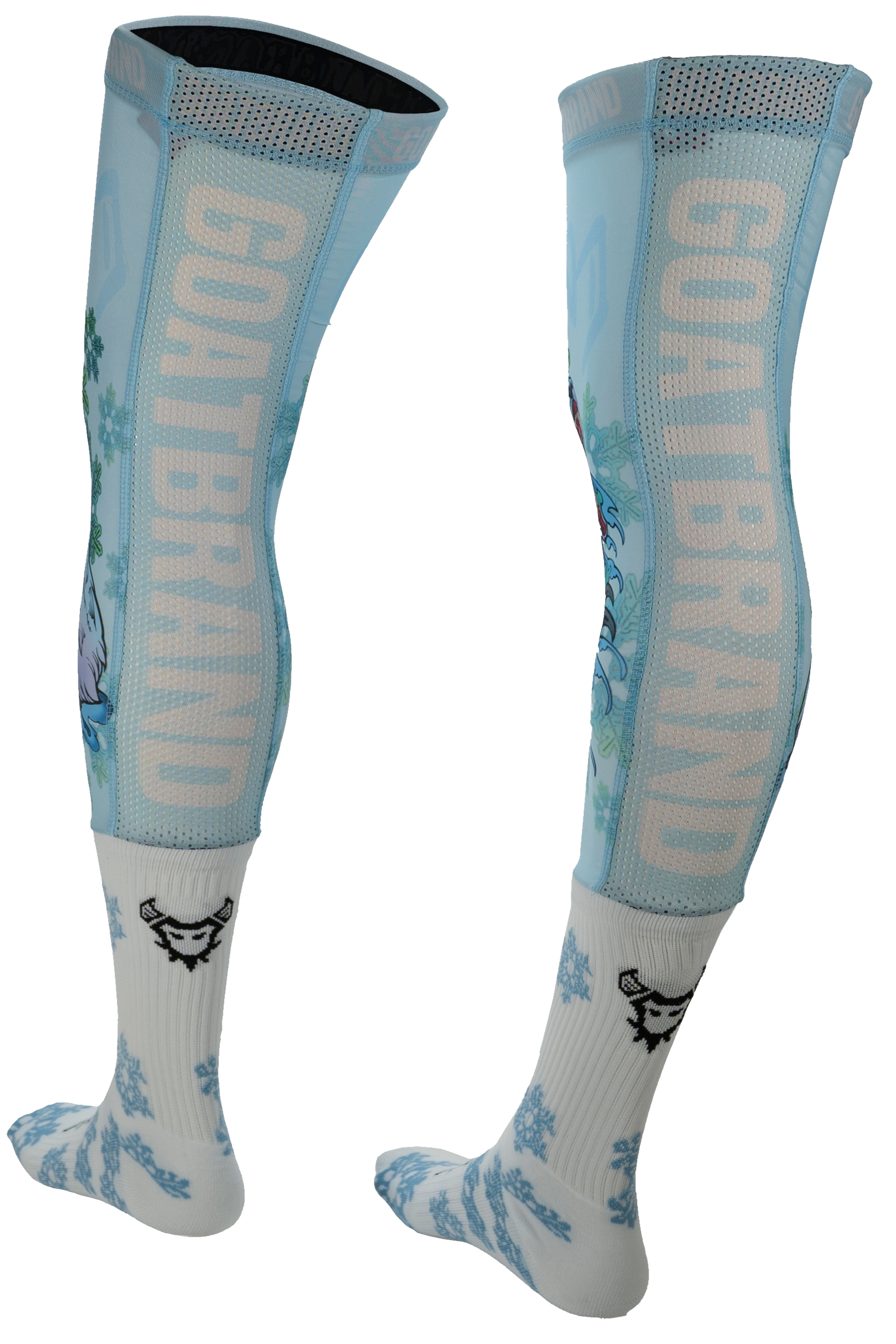
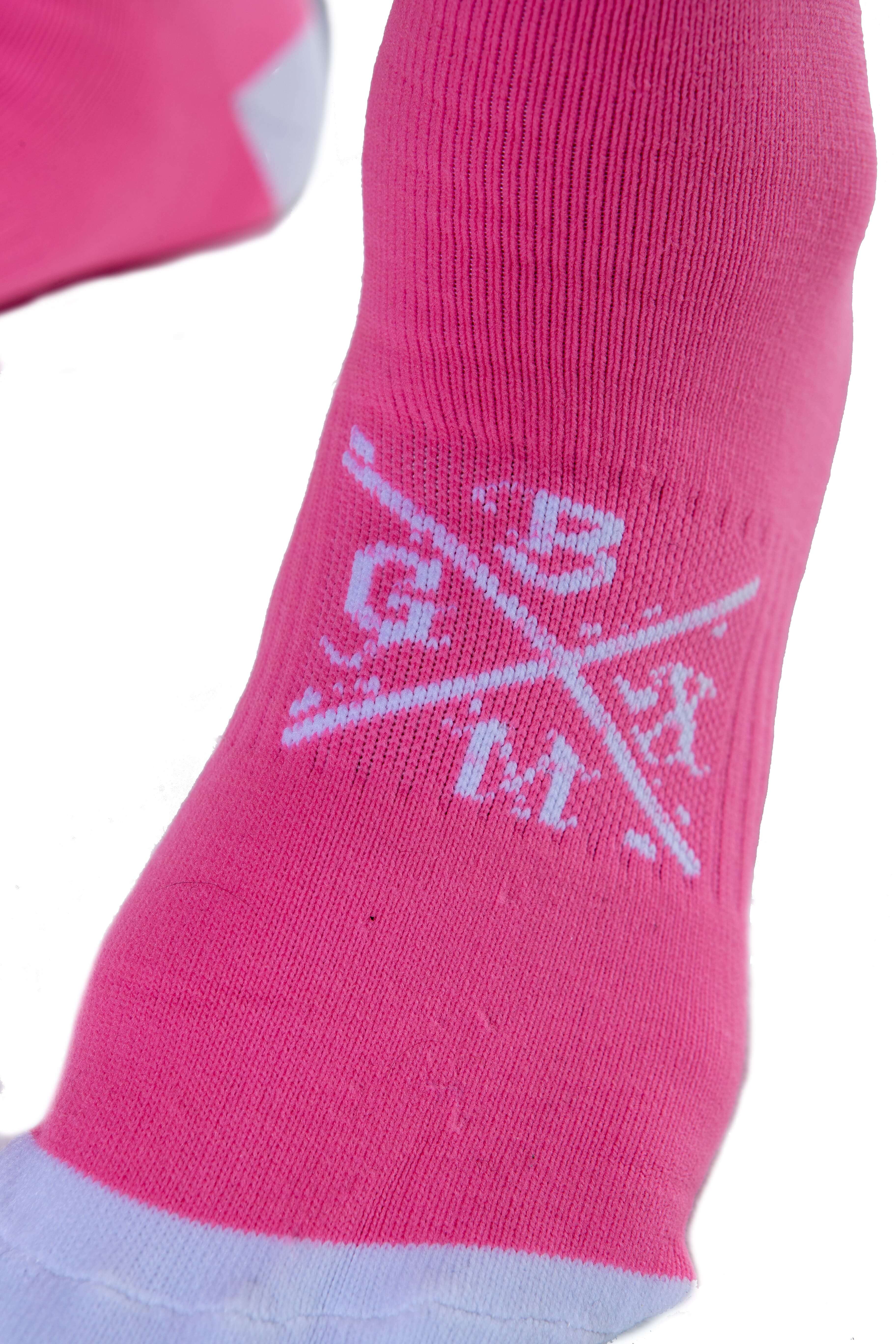
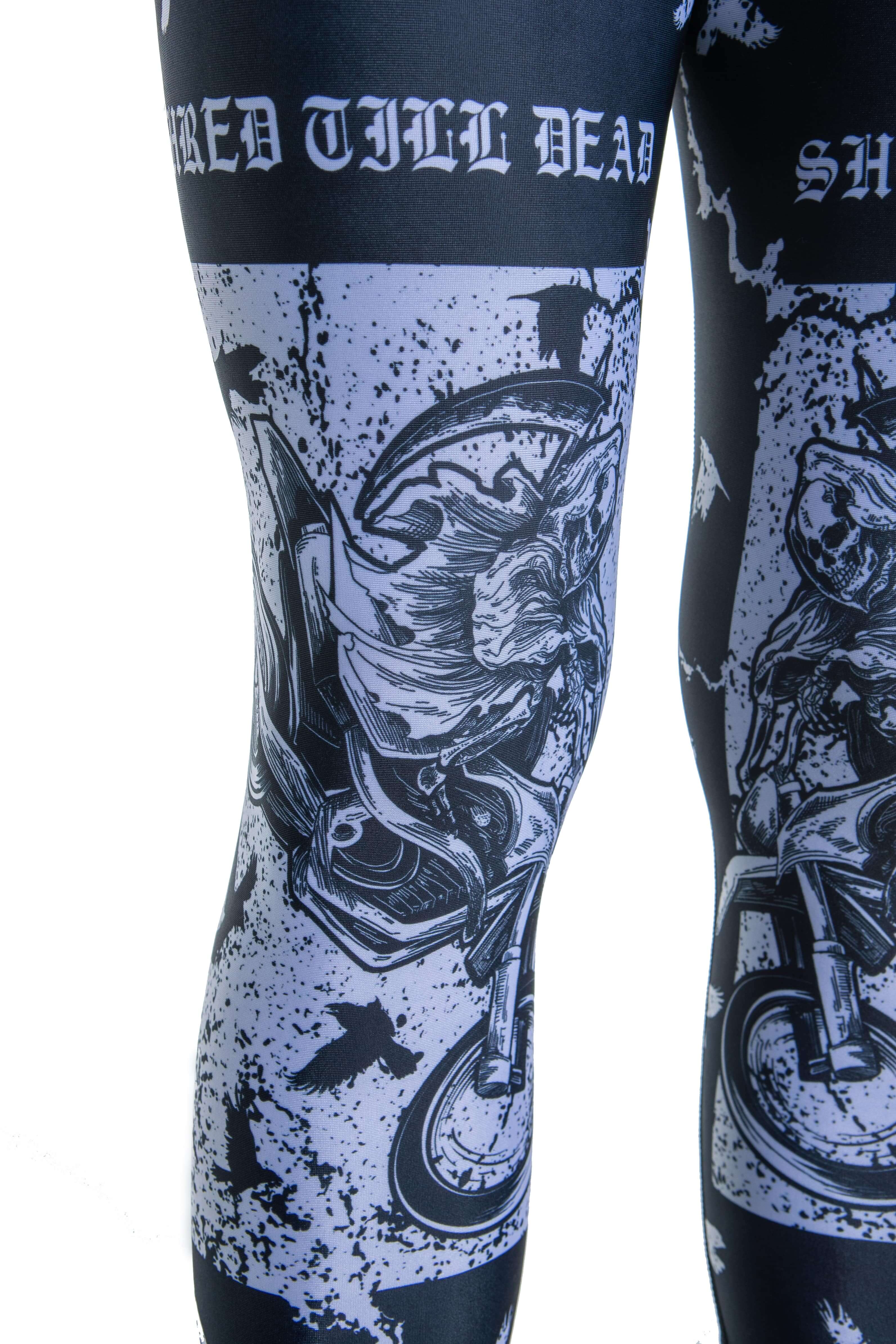
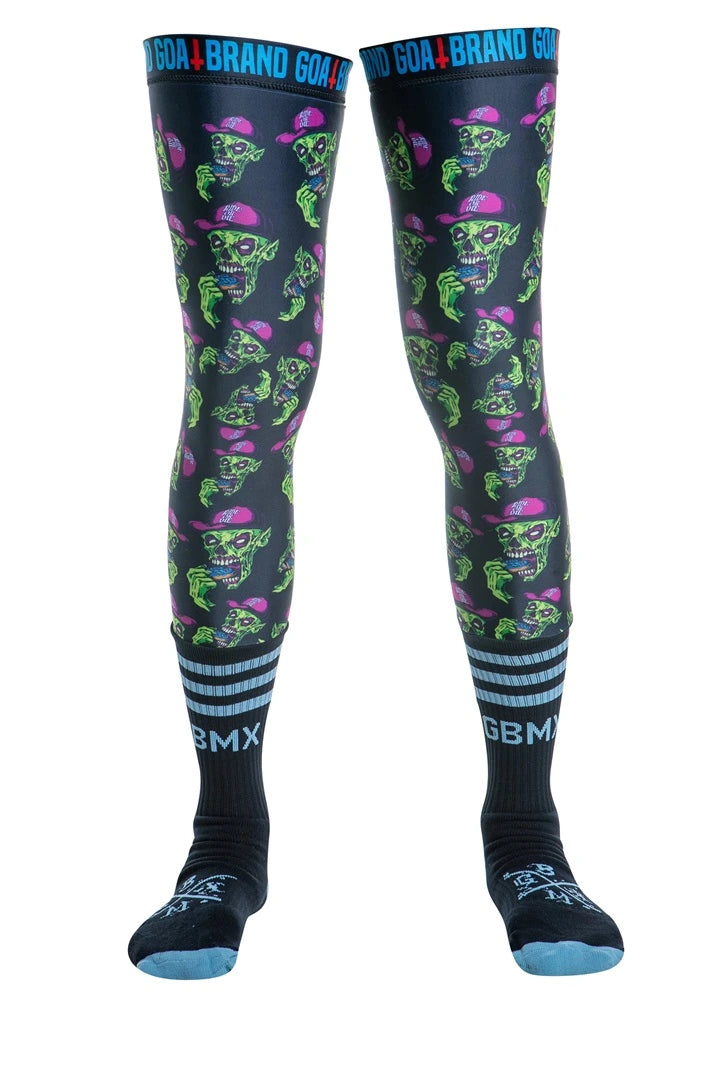
Motocross socks are tall for a reason. They need to go past the top of your boot and up past your knee guards or braces, so there's a smooth layer between your skin and all that hard gear. A sock that stops halfway up your calf leaves an edge right where the boot or brace sits. That's how hot spots and blisters start.
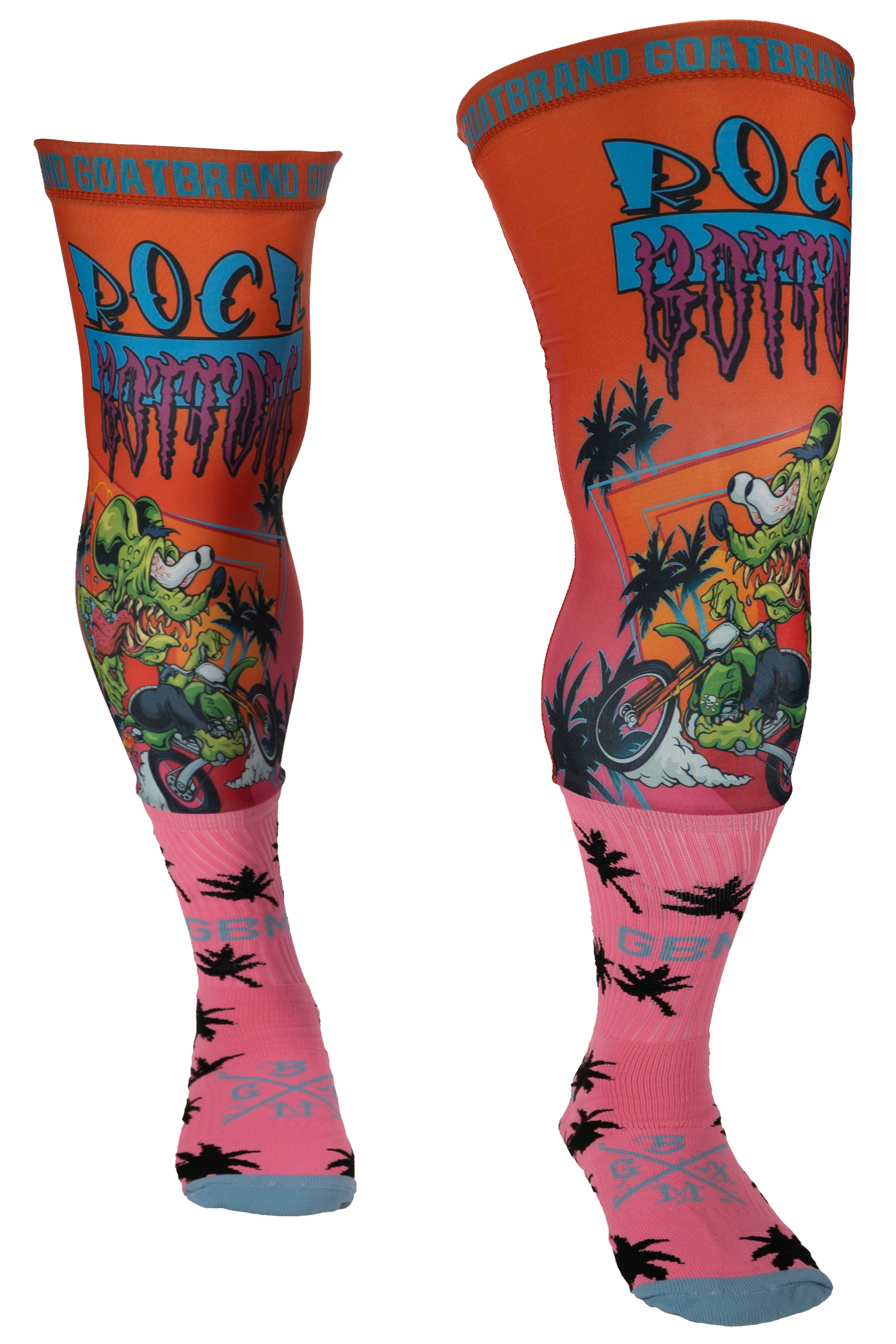
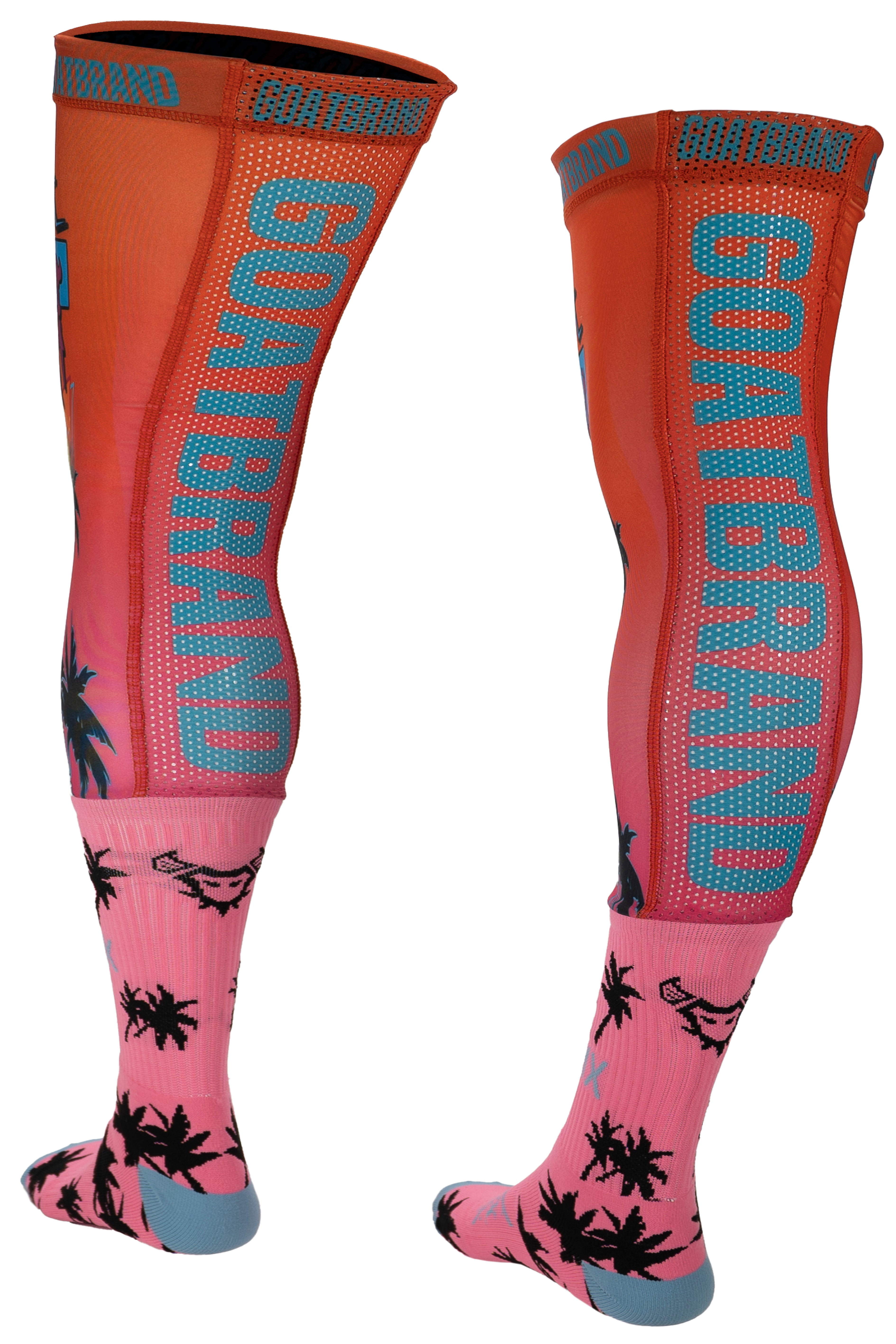
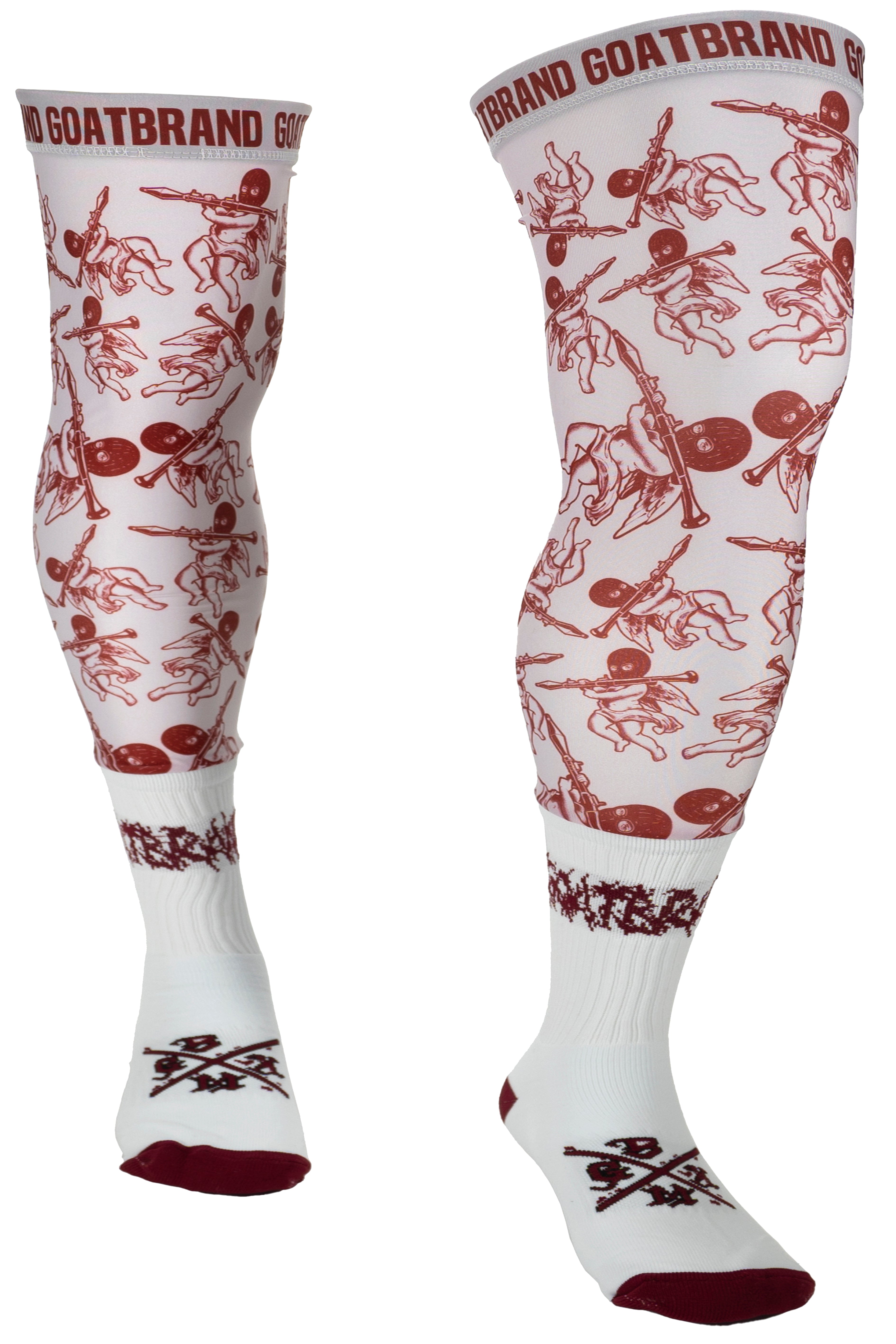
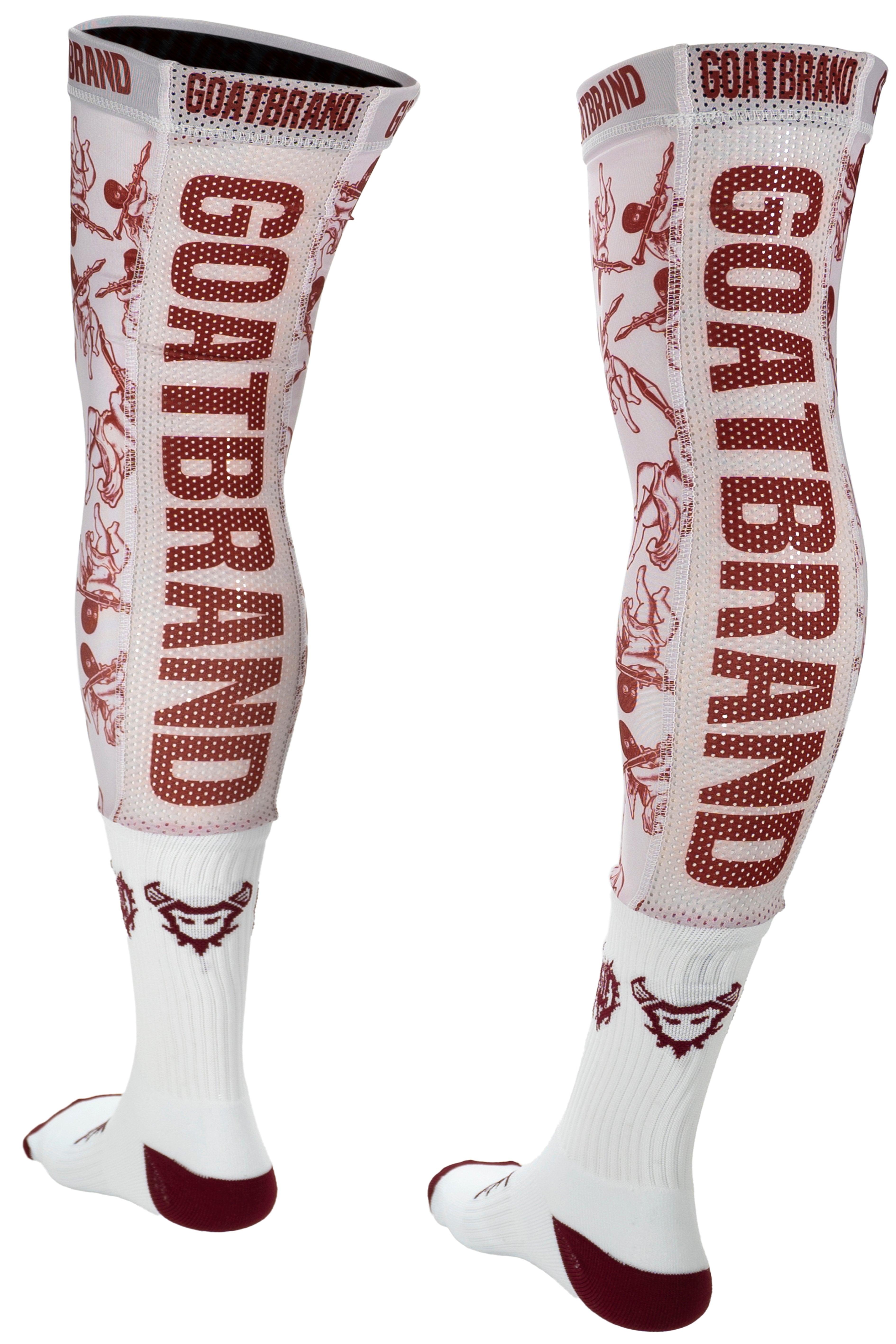
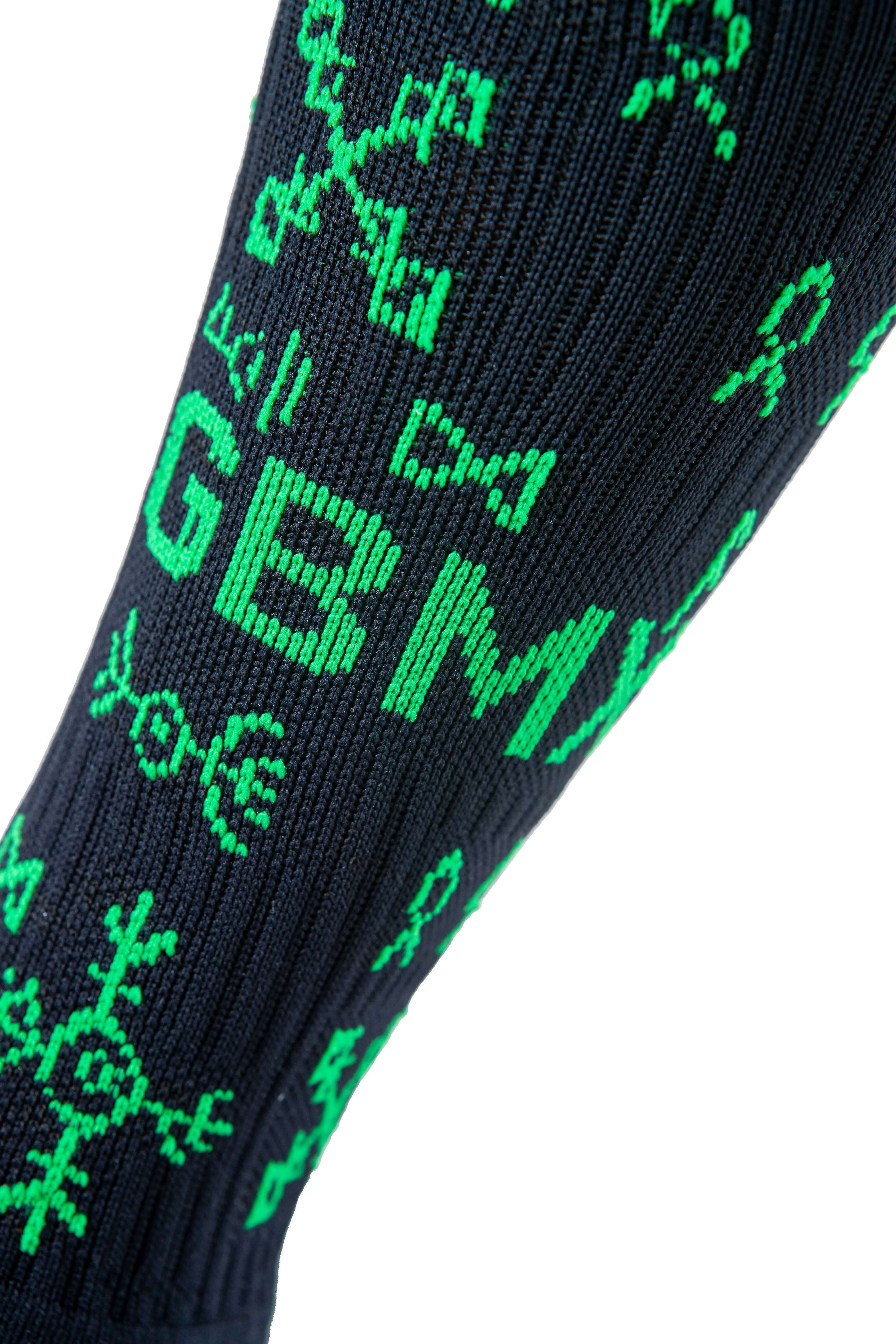
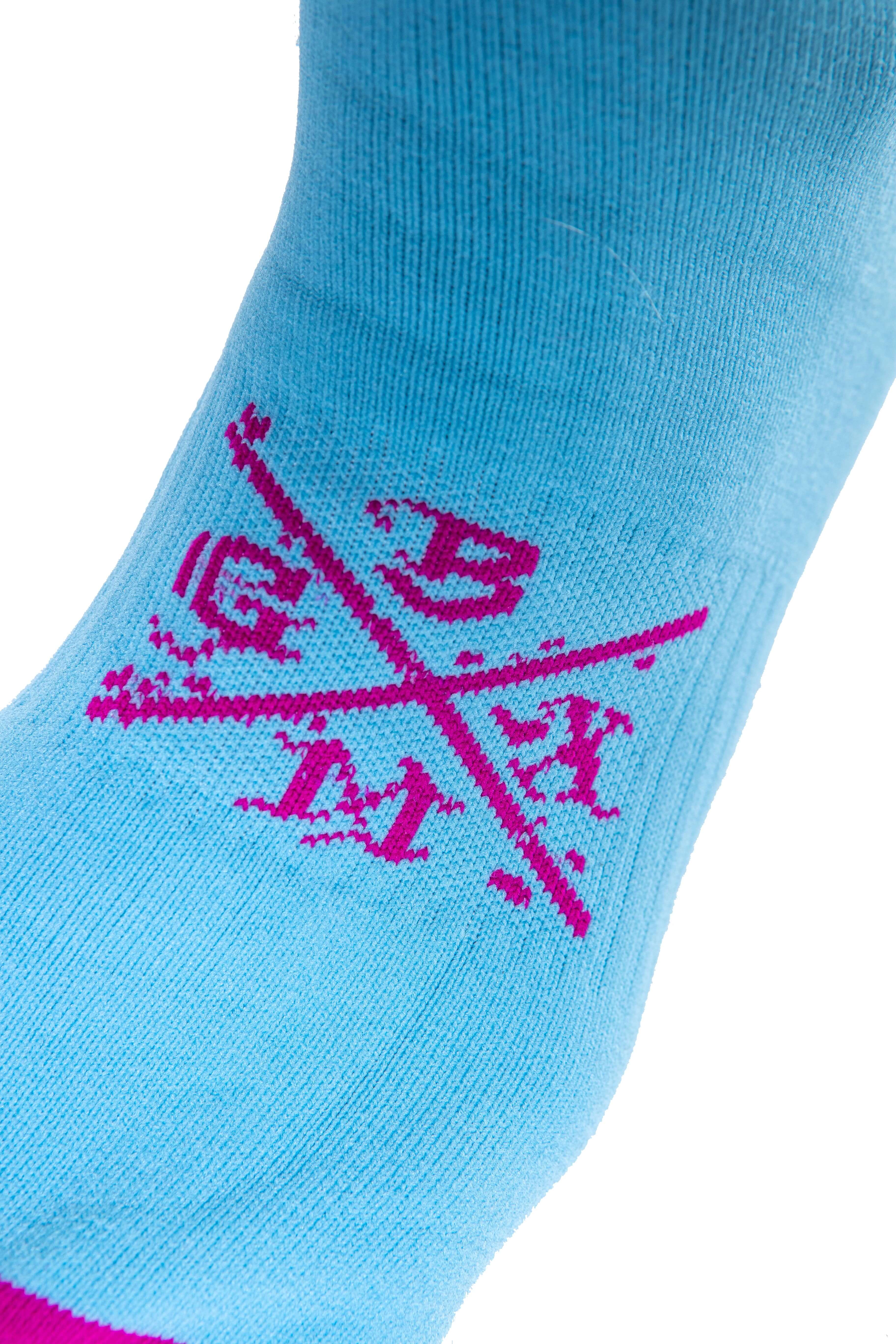
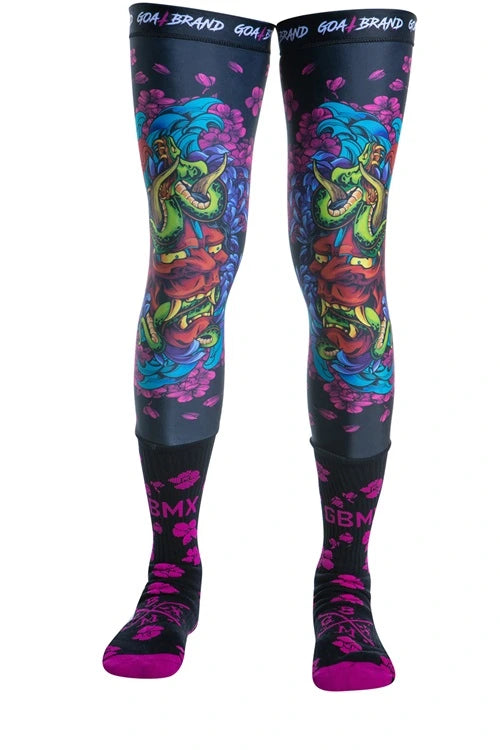
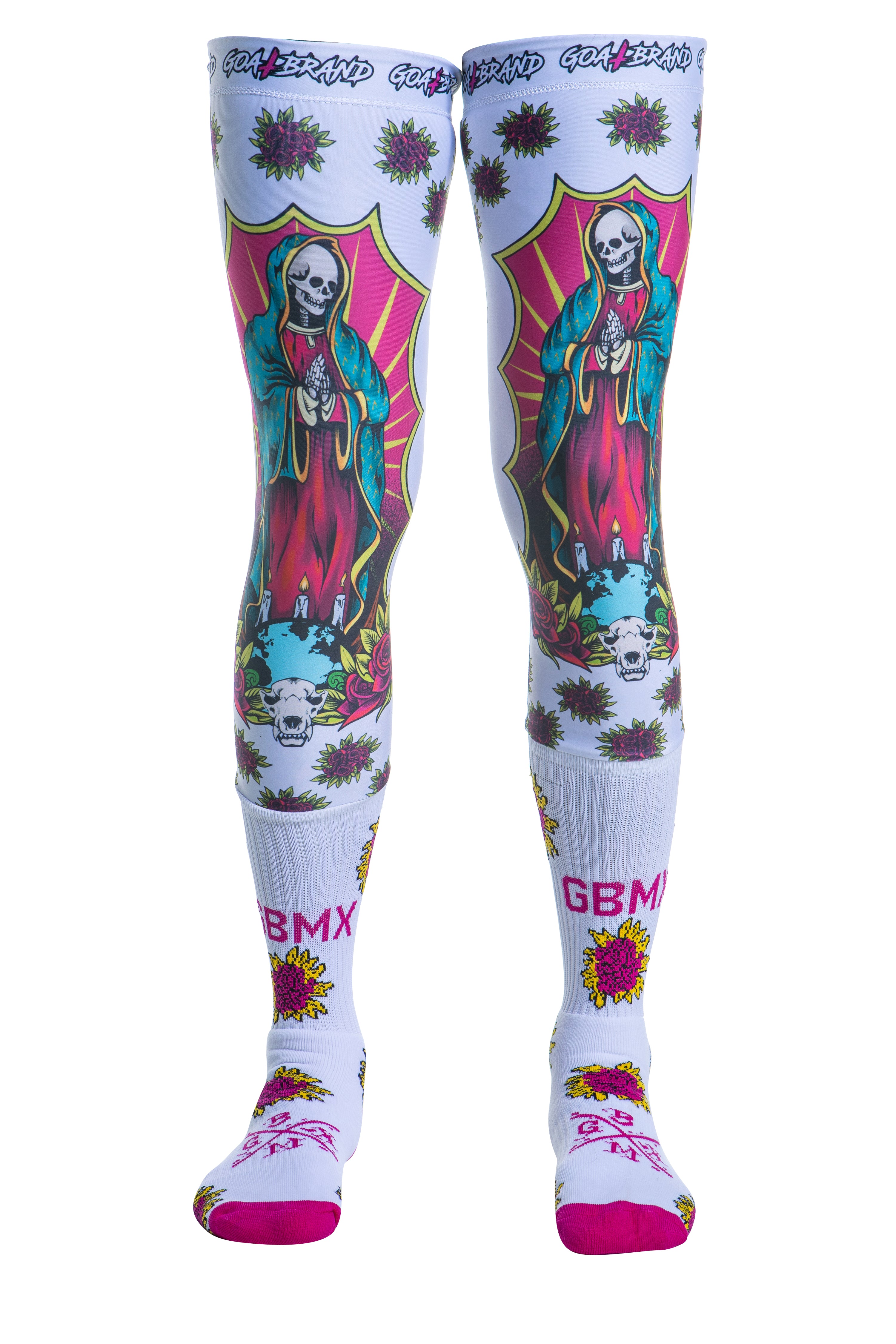
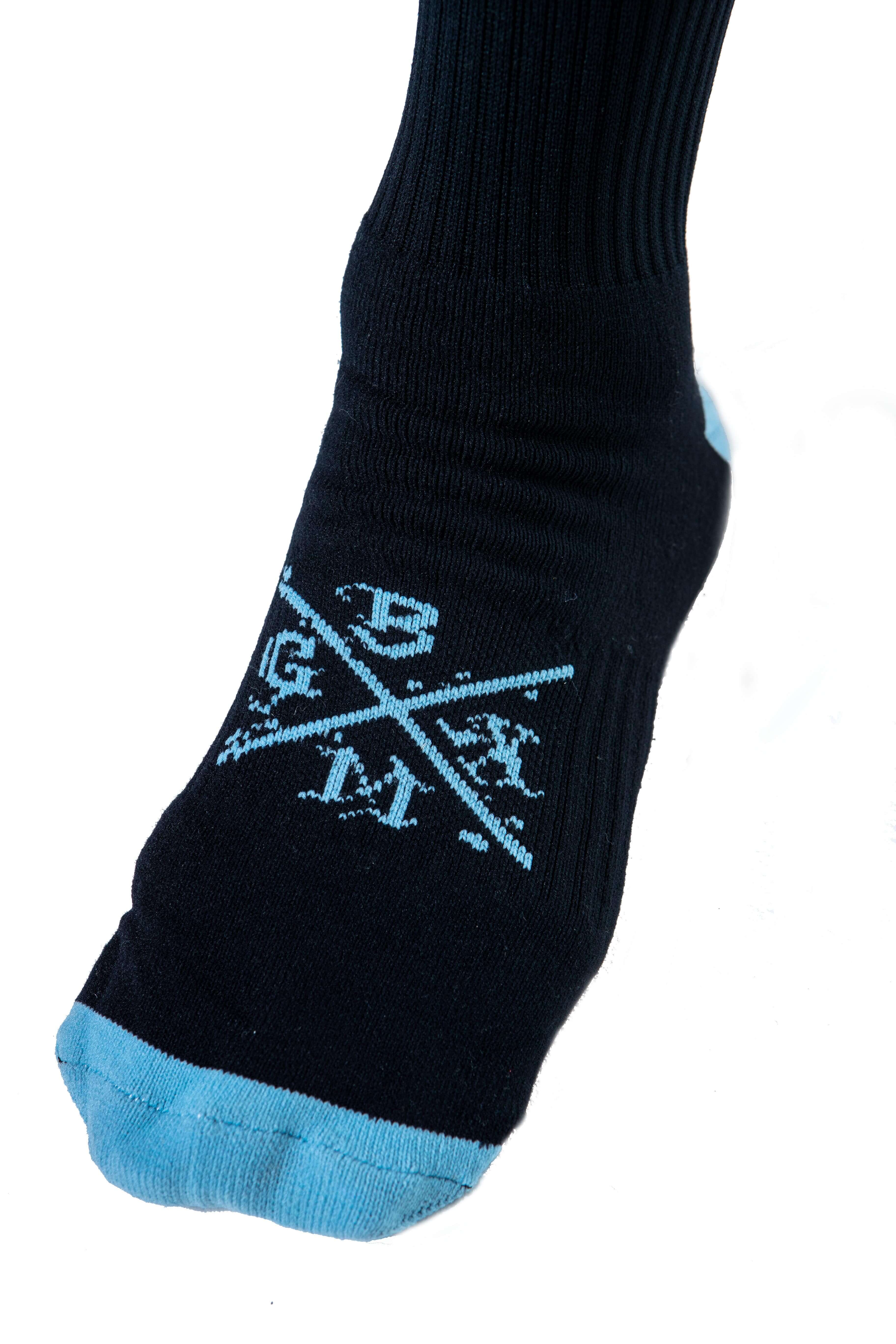
Our motocross knee brace socks are made to go over the knee and sit under braces. They're a 50/50 blend and made in Pakistan. Pick the size off your thigh and leg, not your shoe size. Our motocross sock size guide takes you through it.
A couple of tips for your first few rides:
- Put your socks on first, then braces, then pants, then boots. We go through it in how to put on motocross socks under knee braces.
- Smooth out any wrinkles on your shin and behind the knee before the braces go on.
- Always start with clean, dry socks. Damp ones from last week twist and rub.
If things still rub or slip, have a look at how to stop blisters in motocross boots and how to stop knee brace rubbing.
What to buy first if money's tight
Gear adds up fast. If you can't get it all at once, this is a sensible order:
- Helmet
- Boots
- Goggles and gloves
- Chest protector
- Knee guards or braces, plus proper MX socks to go with them
- Pants and jersey
- Elbow guards, neck brace and the extras
Don't skip the first five to have a nicer jersey. Nobody at the track cares what colour your kit is on your first day.
Before your first track day
Gear sorted? A few things that make the first day easier:
- Check the track or club rules: some tracks need a licence or membership, and some have set days for juniors and beginners. Call or check their page first.
- Try everything on at home: full kit, all at once. It's better to find out your pants don't fit over your braces in the lounge room than in the pits.
- Pack the night before: our motocross race day checklist works just as well for a practice day.
- Take it easy: ride within yourself, learn the track, and stop when you're tired. Most mistakes happen late in the day.
- Look after your gear after: get your socks out of your boots and dry everything out. The post-ride checklist covers it.
FAQ
What motocross gear do I need as a beginner?
At minimum: a proper MX helmet, boots, goggles and gloves. A chest protector, knee guards or braces, MX socks, and pants and a jersey should follow as soon as you can.
Can I ride motocross in normal socks?
You can, but most riders don't last long in them. Normal socks are too short for MX boots and braces, so they slip, bunch and rub. Tall motocross socks give you a smooth layer under all that gear.
Should beginners wear knee braces?
It's your call. Some riders start with soft knee guards and move to braces later. Others start with braces. Whatever you choose, make sure it fits properly and wear tall socks underneath.
Is second-hand motocross gear OK?
Second-hand pants, jerseys and some protection can be fine if they fit and aren't damaged. A helmet is the one thing you should buy new, because you can't tell what it's been through.
Welcome to the Herd
That's the lot. Get the safety gear sorted first, make sure it all fits together, and don't forget the socks. Everything else comes with time on the bike.
When you're ready, grab a pair of Goatbrand MX knee brace socks and check out our apparel for something to wear around the pits. See you at the track.