

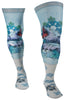

Desert Riding in the USA: Essential Gear, Conditions & Why Your Socks Matter More Than You Think
Desert Riding in the USA: Essential Gear, Conditions & Why Your Socks Matter More Than You Think
Desert riding is one of the purest forms of motocross and off-road riding in the United States.
Wide open terrain. Endless horizon. High speeds. Minimal tracks.
But it’s also one of the most punishing environments for both rider and equipment.
From the Mojave Desert in California to the Sonoran Desert in Arizona and the vast Nevada backcountry, desert riding demands more preparation, better gear, and smarter choices — especially when it comes to what you wear inside your boots.
What Makes Desert Riding So Demanding?
Desert riding isn’t just “motocross without trees.”
It’s a completely different style of riding.
Extreme Heat
In states like California, Arizona, Nevada, and Utah, temperatures regularly exceed:
-
90–110°F (32–43°C)
-
Even hotter inside boots and gear
Heat management becomes critical — not just for comfort, but for safety.
Long, Continuous Ride Sessions
Unlike track riding, desert riding often means:
-
Hours in the saddle
-
Long trail loops
-
Limited breaks
-
No pit area nearby
This exposes weak gear fast.
Fine Sand, Dust & Debris
Desert terrain grinds equipment down:
-
Fine sand works into boots
-
Dust causes friction
-
Constant vibration stresses seams and fabrics
Anything poorly made will fail.
Popular Desert Riding States & Areas in the USA
Desert riding is deeply rooted in American off-road culture.
Here are some of the most iconic regions.
California Desert Riding
California is the heart of US desert riding.
Popular areas include:
-
Mojave Desert
-
Johnson Valley (King of the Hammers area)
-
Ocotillo Wells SVRA
-
Glamis / Imperial Sand Dunes
These areas feature:
-
Sand washes
-
Open desert
-
Whoops
-
Rock sections
-
Extreme temperature swings
California riders are especially hard on gear due to year-round riding.
Arizona Desert Riding
Arizona’s desert terrain is rough, technical, and unforgiving.
Key riding areas:
-
Sonoran Desert
-
Yuma desert trails
-
Phoenix surrounding desert zones
-
Tucson riding areas
Expect:
-
Sharp rocks
-
Hard-packed dirt
-
Heat that builds fast inside boots
Durability and heat control are essential here.
Nevada & Utah Desert Terrain
Nevada and Utah offer massive, remote desert landscapes:
-
Nevada desert basins
-
Southern Utah desert trails
-
Red rock terrain
-
Dry lake beds
Rides here often involve:
-
Long distances
-
Minimal shade
-
Limited access to help
Gear failure isn’t just annoying — it can become a problem.
Why Desert Riding Destroys Cheap Gear
Desert riding exposes weaknesses that track riding can hide.
Heat Breakdown
Low-quality materials:
-
Trap heat
-
Lose elasticity
-
Stretch and deform
Socks that feel fine on a short ride often fail after hours in desert heat.
Friction & Hot Spots
Dust and sand inside boots create friction.
Thin socks lead to:
-
Blisters
-
Burned heels
-
Pressure points
Once a hotspot forms, the ride becomes miserable.
Why Motocross Socks Matter More in the Desert
Most riders obsess over:
-
Helmets
-
Boots
-
Suspension
-
Hydration packs
But socks are the interface between your foot and the boot — and in the desert, that interface is under constant stress.
Heat Regulation Inside the Boot
A premium motocross sock:
-
Wicks sweat
-
Allows airflow
-
Reduces internal heat buildup
This keeps feet drier and cooler over long rides.
Reinforced Impact & Wear Zones
Desert riding punishes:
-
Heels
-
Toes
-
Shins
-
Ankles
Reinforced zones prevent blowouts and reduce pressure fatigue.
Stay-Up Fit for Long Loops
There’s nothing worse than a sock sliding down 30 miles into a desert loop.
Compression zones keep socks locked in place — no adjustments needed.
Why USA Desert Riders Are Switching to Premium MX Socks
Many experienced desert riders have learned the hard way:
-
Cheap socks don’t survive desert riding
-
Replacing gear constantly gets expensive
-
Comfort matters more the longer you ride
This is why more riders are choosing fewer, higher-quality socks instead of bulk packs.
Some Goatbrand Mx customers report:
-
Using the same pair for 1–2+ years
-
No slipping
-
No seam irritation
-
No heel burn
Designed for Desert Riding, Not Just Motocross Tracks
Desert riding demands versatility.
Goatbrand MX socks are built for:
-
Motocross
-
Desert riding
-
Enduro
-
Trail loops
-
Long-distance off-road riding
They’re designed to handle:
-
Heat
-
Dust
-
Long ride durations
-
Aggressive boot movement
Not gym socks. Not rebranded athletic wear.
Purpose-built motocross gear. This is why quality mx socks last longer.
Smart Desert Riding Tips Beyond Gear
Good gear helps — but smart riding matters too.
Hydration Is Non-Negotiable
Always carry:
-
Hydration pack
-
Electrolytes
-
Extra water if riding remote areas
Ride Early or Late
Desert temperatures peak mid-day.
Early mornings and late afternoons are safer and more enjoyable.
Don’t Underestimate Fatigue
Heat drains energy fast.
Comfortable gear reduces fatigue and keeps focus sharp.
Final Thoughts — Desert Riding Rewards Preparation
Desert riding in the USA is incredible — but unforgiving.
From California’s Mojave to Arizona’s Sonoran Desert and the vast Nevada backcountry, the riders who enjoy it most are the ones who prepare properly.
That includes:
-
Smart hydration
-
Reliable boots
-
And socks that can handle hours of heat, dust, and abuse
Once you ride desert terrain with proper gear, there’s no going back.


